
A large number of the New & Tokunbo cars you see on Nigerian roads – the Camrys, Accords, Corollas, Highlanders and Mercedes – were bought from car auctions in the United States, shipped across the Atlantic, and cleared through ports in Lagos. That’s the pipeline. And at the centre of it is Copart.
Copart is one of the most popular online vehicle auction platforms that Nigerians use to buy cars from the U.S. It’s not a small operation either. On any given day, the platform has over 300,000 vehicles listed, ranging from cars, trucks, SUVs, motorcycles, boats, to industrial equipment. The inventory comes from insurance companies, banks, fleet operators, rental agencies, dealerships, and private sellers, so the range of what’s available is genuinely wide.
And it’s not just for one type of buyer. Car dealers use Copart to stock their lots. Mechanics and body shop owners buy salvage vehicles for parts or rebuilds. Exporters purchase in bulk. And every day, people like someone who just wants a reliable family car use it too. The platform is open to all of them.
If you’ve been looking into buying a car directly from the United States, this Copart guide walks you through every stage of the process.
What You Need to Know Before Buying on Copart From Nigeria
Before you create an account on Copart, there are a few realities worth understanding upfront.
All vehicles are sold “as-is”: Copart does not guarantee the condition of any vehicle. What you see in the photos and description is what you get. There are no returns and no refunds.
Payment timelines are strict: Once you win a vehicle, you typically have about two to three business days to pay. Late payments attract a $50 fee per vehicle. If you don’t pay within the payment window, you could lose the car entirely and forfeit your deposit.
The bid price is not your final cost: The winning bid is only one piece of the total expense. You also need to account for Copart’s buyer fees (which vary based on the final sale price), a gate fee, inland transportation from the auction lot to the U.S. port, ocean shipping to Nigeria, and customs duty and clearing charges once the car arrives in Lagos. We’ll break all of this down later in the article.
Nigeria has a vehicle age restriction: The Nigeria Customs Service generally does not allow the importation of used vehicles older than 12 years from the year of manufacture. So in 2026, a 2013 model or older could be a problem. Always confirm the year before placing your bid.
Import rules now require pre-shipment certification: The Nigerian government recently introduced the SON-NADDC Vehicle Conformity Assessment Programme (VehCAP), which requires every imported vehicle to be certified before it leaves the country of origin, not after it arrives in Nigeria. The checks cover safety, emissions, and overall vehicle condition. Cars that don’t pass can be denied entry. If you’re buying from Copart, make sure your shipping company is aware of this requirement early so certification is handled before the vehicle is loaded onto a ship.
How to Buy Cars From Copart as a Nigerian (Step-by-Step)
Step 1: Register for a Copart Membership
Head over to the registration page on Copart’s website to create an account. You can register as an individual or as a business. You’ll also need to provide basic personal details – your name, email address, phone number, and a valid form of identification.
Registering as an Individual
If you register as an individual, you’ll have access to what Copart labels as No License Required inventory. These are vehicles that any registered member can bid on without a business or dealer license.
To register as an individual international buyer, you’ll need to upload a valid government-issued photo ID – a driver’s license or an international passport.
Registering as a Business
If you want access to a wider range of vehicles, including those restricted to licensed buyers, you can register as a business on Copart.
Your company must be formally registered in Nigeria, either as a limited company or a sole proprietorship. Copart requires international business buyers to upload all of the following documents:
- A dealer, import/export license, or any other valid business license from Nigeria
- Your Taxpayer Identification Number (TIN) or VAT certificate, obtained from the Federal Inland Revenue Service (FIRS). If your business is not eligible for VAT, you’ll need a letter from the issuing authority confirming that you don’t currently qualify.
- Notarized English translations of all licenses and certificates, if they were not originally issued in English.
- A completed Affidavit Form, filled out in English.
Your company name used during registration must match exactly what appears on your licensing documents. If there’s a mismatch, Copart will reject the submission.
Once all documents are uploaded, Copart typically processes them within 1 – 3 business days (excluding weekends and public holidays). You’ll receive an email confirmation when your account is fully activated for bidding.
Choosing a Membership Type
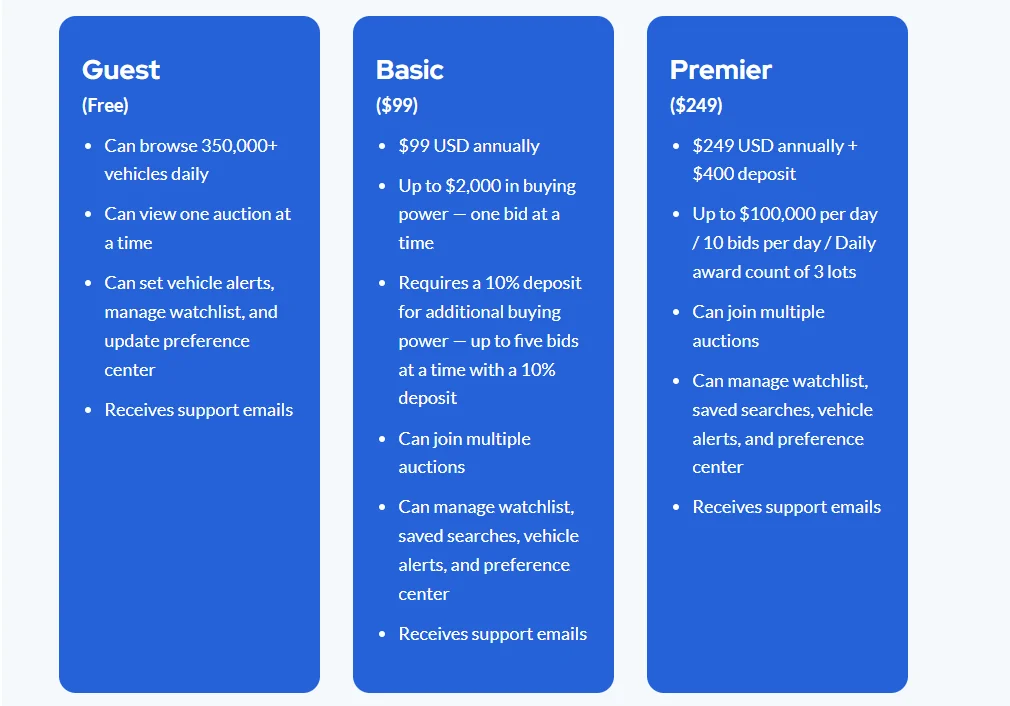
Copart offers two main membership tiers:
Basic Membership is the entry-level tier, suited for occasional buyers purchasing one to a few vehicles a year. You can browse, place preliminary bids, and participate in auctions. With Basic, you’ll need to deposit 10% of your intended maximum bid as a security deposit.
Premier Membership is the more capable tier. It comes with higher daily bidding limits, priority in support queues, and access to additional auction features. Premier requires a higher annual fee plus a one-time refundable deposit.
Step 2: Search for Your Vehicle and Build a Watchlist
Once your account is active, you can start browsing Copart’s inventory. With so many vehicles listed at any given time, the platform can feel overwhelming at first. The trick is knowing how to filter and what to look for.
Using Copart’s Search Tools
Copart’s Vehicle Finder lets you search and filter by make, model, year, mileage, location, damage type, title type, and more. Be specific with your filters. If you know you want a 2019–2022 Toyota Camry with a clean title and under 60,000 miles, set those parameters and let the system do the work.
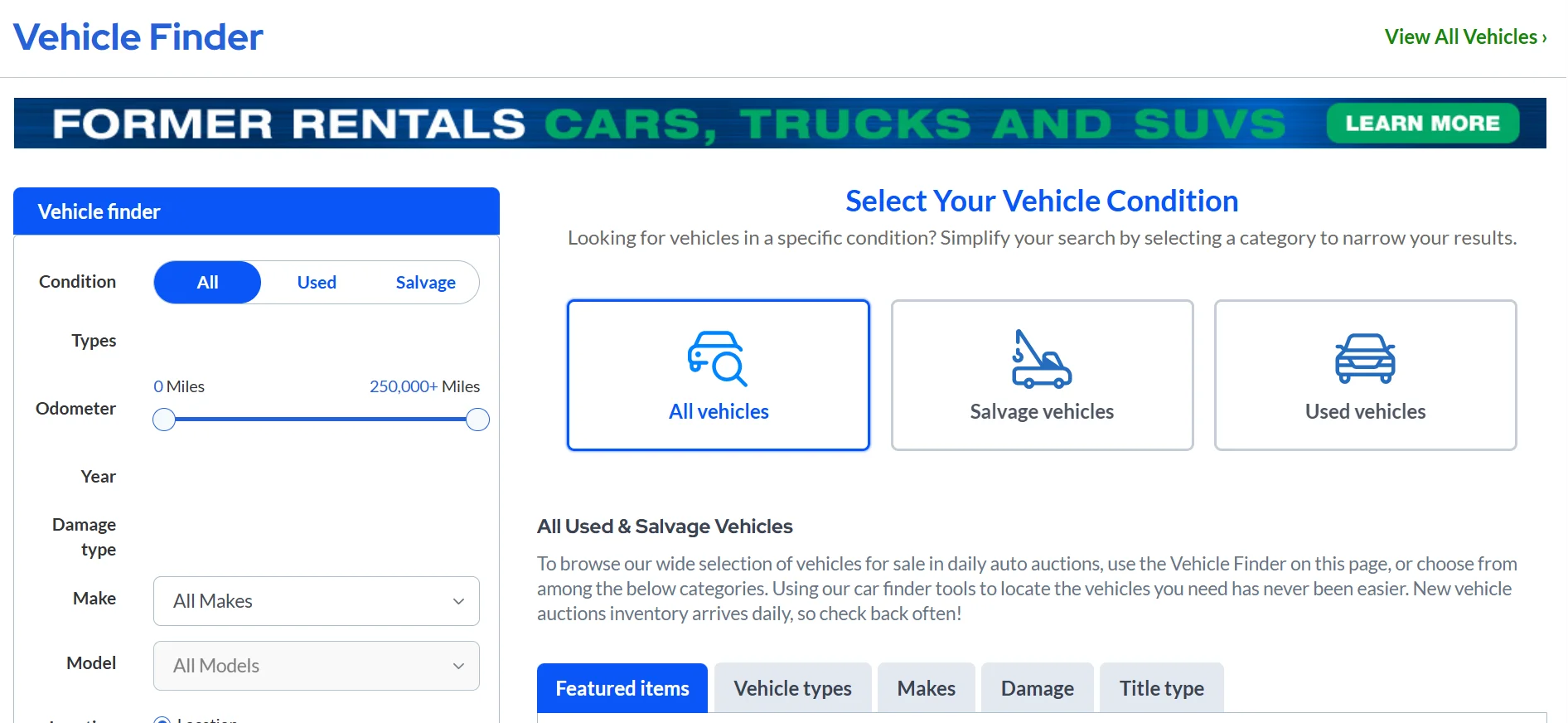
You can also sort results by auction date, which is helpful if you want to see what’s coming up soon versus what’s weeks away.
Adding Vehicles to Your Watchlist
When you find vehicles that interest you, add them to your Watchlist. This is one of the most useful features on Copart, especially if you’re not ready to bid immediately. Your Watchlist keeps all your saved vehicles in one place, and Copart will send you notifications when those vehicles are about to go to auction. You can also get alerts when new vehicles matching your search criteria are listed. It’s a good way to track the market and understand pricing patterns before you commit to a bid.
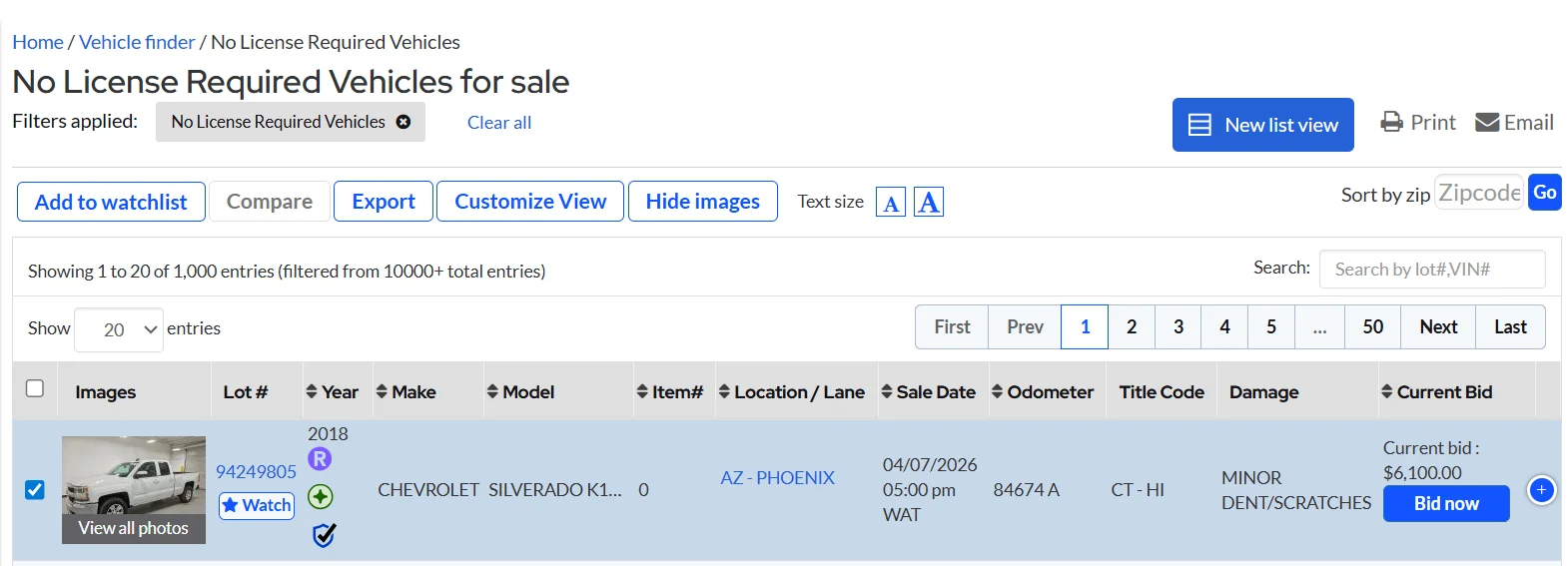
What to Pay Attention To
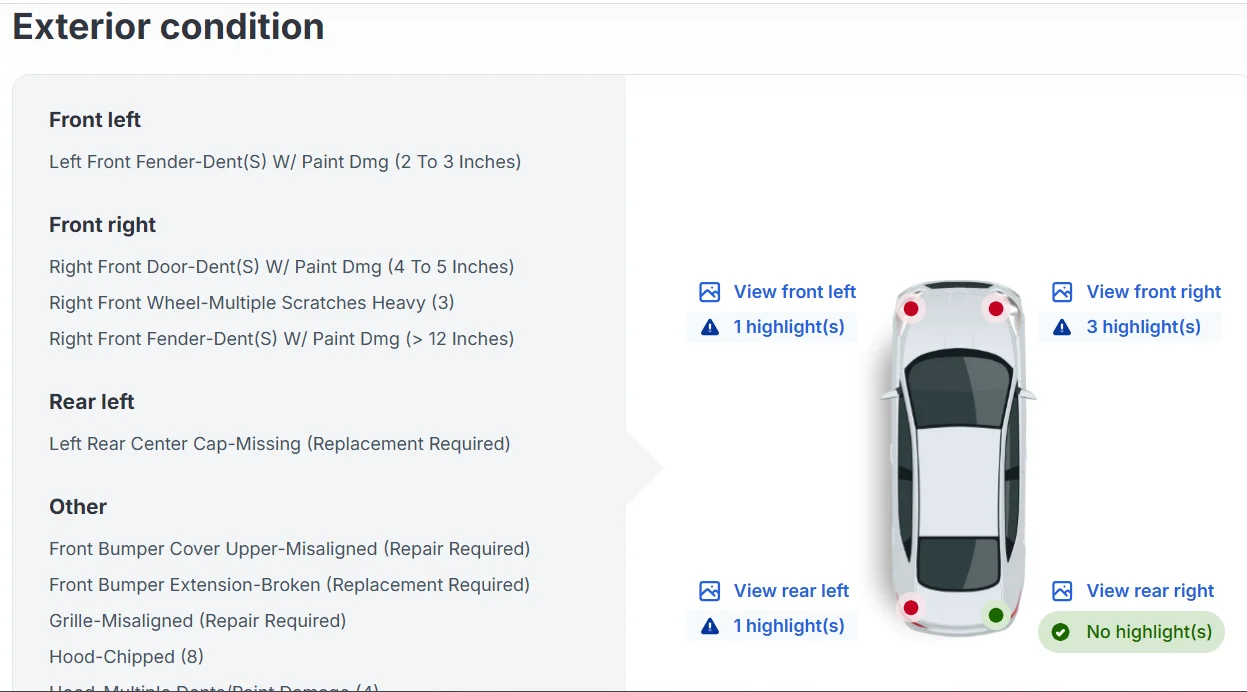
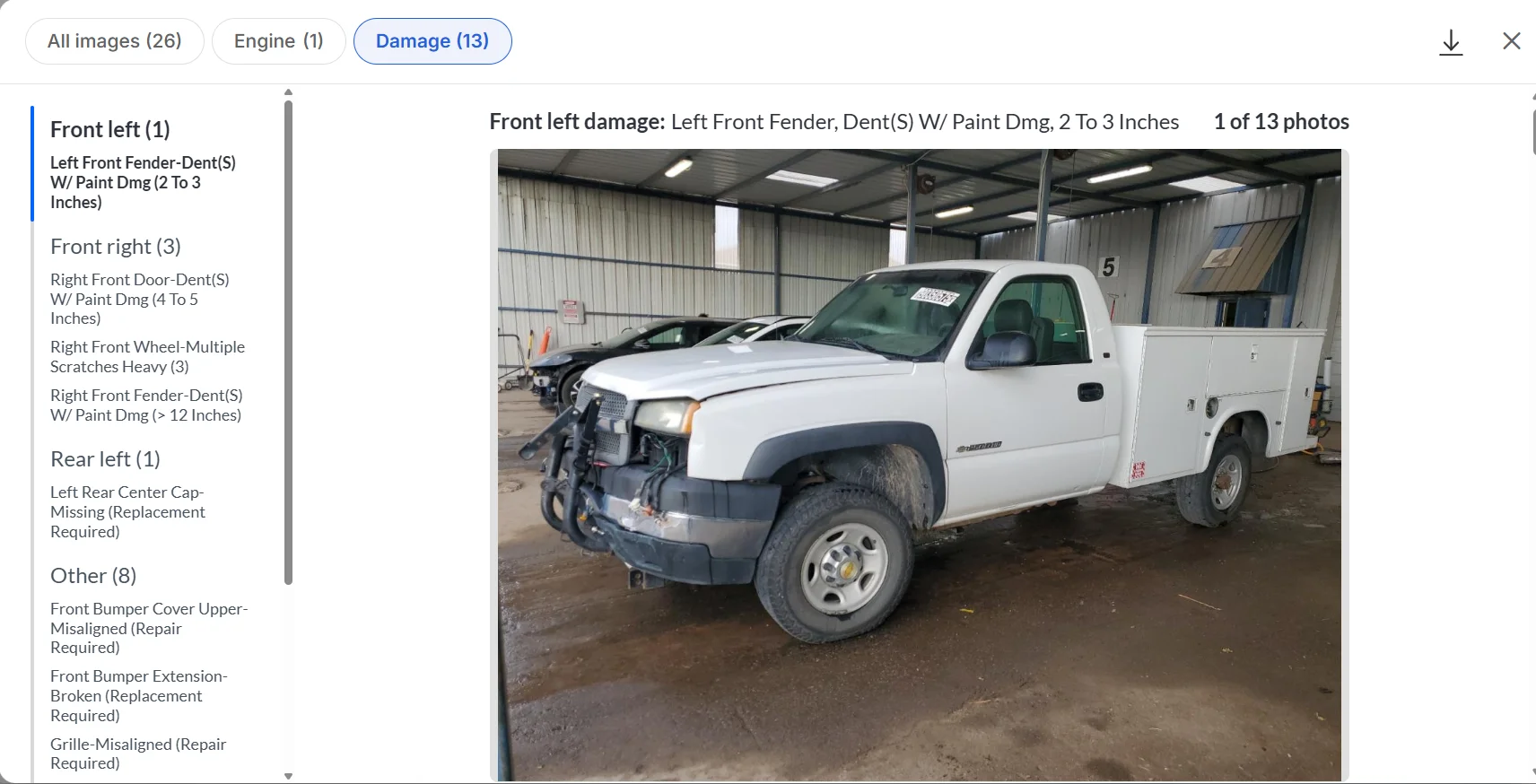
Title type is the first thing to check. Clean title vehicles are in acceptable condition and haven’t been declared a total loss by an insurance company. Salvage title vehicles have been damaged and written off; they can still be solid deals, but they’ll need repairs, and you should know what you’re getting into before bidding. Read the damage description carefully. Copart uses specific codes to describe damage. Terms like front end, rear end,cside, minor dents, and scratches tell you where and how severe the damage is. Study all the available photos from every angle. To do this, select the vehicle that interests you and scroll down to Exterior Condition.
Check the odometer. Mileage says a lot about how much life is left in a vehicle. A 2020 Honda Accord with 25,000 miles on it is a completely different car from one with 120,000 miles, even if the auction prices look similar.
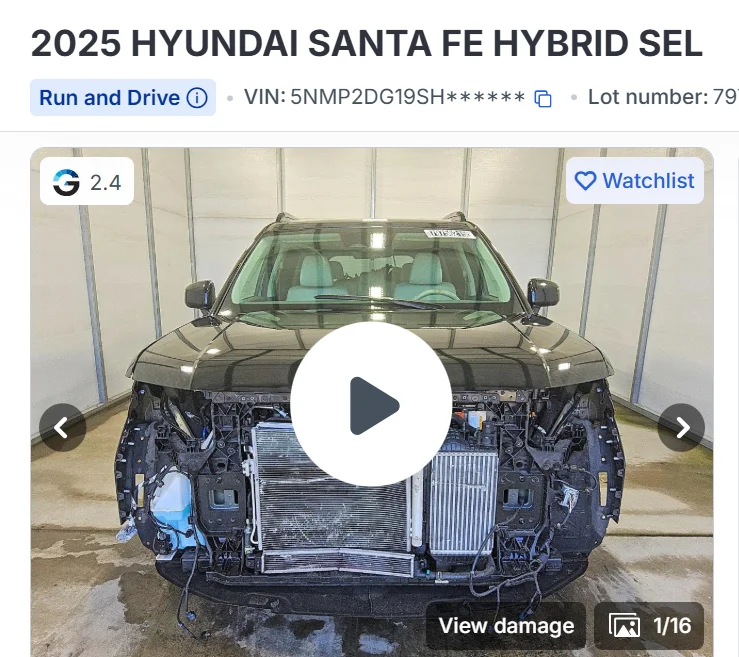
Run a VIN check. Before you bid on anything, run the Vehicle Identification Number through a service like Carfax or AutoCheck. This gives you the vehicle’s full history – previous accidents, title changes, service records, number of owners, and whether it has ever been reported stolen. Look for Copart icons and labels. Listings may include indicators like Run and Drive (the vehicle starts and moves) or Engine Start Program (the engine has been tested). These give you additional clues about the car’s condition beyond the photos.
Step 3: Join Copart Auctions and Place Your Bid
Copart runs all its auctions online through a virtual bidding platform called VB3. You don’t need to be physically present – everything happens from your computer or phone. There are several ways to participate:
Types of Bids
Preliminary Bids (Pre-Bids): These allow you to submit your maximum bid before the live auction starts. Once you enter your max, Copart’s system automatically bids on your behalf in small increments, up to your set limit. This is useful if you can’t be online during the live auction or if you’re in a different time zone.
Live Bidding: This happens in real time during scheduled auction events. You can find the auction schedule on Copart’s Auction Calendar. During a live auction, you compete directly with other bidders. It moves fast, so you need to be ready.
Buy It Now: Some vehicles come with a fixed price. Instead of going through the auction, you pay the listed amount, and the car is yours immediately. This bypasses the bidding process entirely and is a good option if you’ve found a car you want and don’t want to risk losing it at auction.
Counter Bidding: If your bid wins but doesn’t meet the seller’s reserve price, the seller may counter. You’ll see this in your account under Open Items. You can accept the seller’s counter, reject it, or submit a new offer. The seller typically has until 9 PM PST the next business day to respond.
Bidding Tips for Nigerian Buyers
- Set your ceiling before the auction and do not go past it. It’s easy to get caught up in the bidding, especially during a live auction. But remember, you’re not just paying the bid price. Fees, shipping, and clearing costs will add thousands of dollars to the total. Your max bid should already account for all of that.
- Don’t bid on a vehicle you haven’t researched. Every car on Copart has photos, a damage description, and often a condition report (available for about $35). Use all of it. If something feels off or you can’t find enough information, move on to the next one.
- Watch a few auctions before participating. If you’ve never bid on Copart before, spend a day or two just observing how auctions play out. Watch the bidding patterns, see how prices move, and get comfortable with the interface.
Step 4: Pay for Your Vehicle
As an international buyer from Nigeria, you’ll need to pay Copart via wire transfer. This is the standard and recommended option for cross-border transactions.
One important rule to know: the wire transfer must come from a bank account bearing the same name as your Copart registration. Copart generally does not accept third-party payments when you’re paying directly.
For a full breakdown of each payment method and how to navigate them from Nigeria, read our guide on how to pay Copart from Nigeria.
Step 5: Arrange Shipping to Nigeria
With payment confirmed, the next step is getting the vehicle from the Copart facility in the U.S. to Lagos. This happens in two stages: inland transport to a U.S. port, and ocean shipping to Nigeria.
Your vehicle first needs to be picked up from the Copart yard and moved to a departure port, commonly New Jersey, Georgia, or Texas, for vehicles heading to West Africa. The cost depends on the distance, but budget anywhere from $600 to $1,400 or more. You’ll coordinate this through a shipping company or freight forwarder, and many Nigerian buyers work with logistics companies that handle this route regularly.
Copart charges storage fees if your vehicle isn’t picked up promptly, as you get about 3 – 5 days of free storage from the sale date, and daily charges start after that.
For the ocean leg, there are two main shipping methods. To understand the difference and decide which works for you, here’s a comparison of RoRo vs. container car shipping.
Frequently Asked Questions
Can I bid on Copart as a guest without registering?
No. You need a registered and activated Copart membership to place bids. You can browse the inventory as a guest to see what’s available, but bidding requires an account, a valid ID, and a security deposit.
Can someone else make the payment on my behalf?
If you’re buying directly through Copart, the wire transfer generally needs to come from an account that matches your registration name. Third-party payments are typically not accepted. However, you can pay Copart directly yourself when you use Clea.
How do I get the vehicle title from Nigeria?
You’ll need a Limited Power of Attorney (POA) on file with your account. This form authorises Copart to sign and process title documents on your behalf. Once it’s in place, your title can be sent along with your vehicle through your transporter.
What happens if I win a car but don’t pay?
Copart charges a relist fee of 10% of the final sale price or $600, whichever is higher. Your vehicle will also be relisted for auction, and your account could face restrictions.