

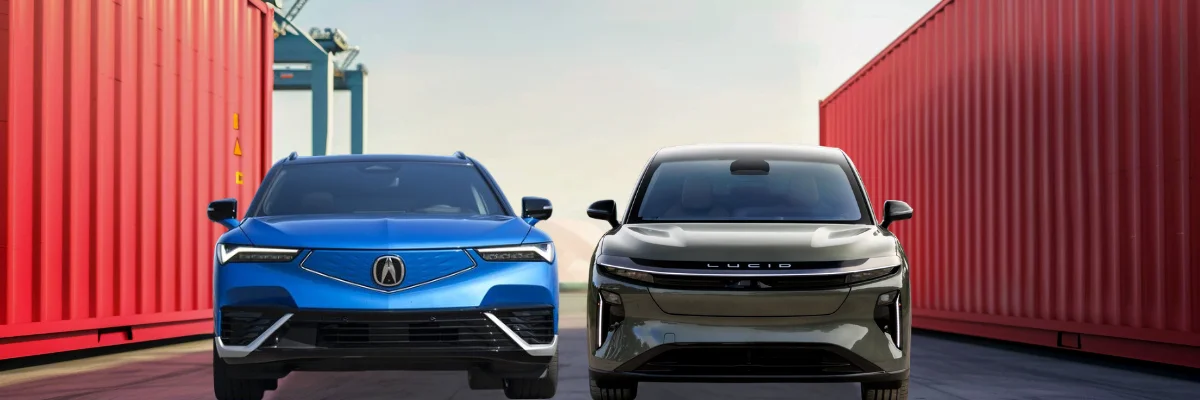
A few years ago, importing electric vehicles to Nigeria felt like a gamble. Unclear regulations, heavy duties, and almost no charging infrastructure made it a tough sell. That’s changed.
Today, Nigeria’s EV market is valued at $58 million and growing steadily toward a projected $230 million by 2030. The government has slashed import duties, exempted EVs from VAT, and passed legislation requiring charging points at every fuel station. For importers paying attention, the opportunity is hard to ignore.
If you’re wondering how to import electric vehicles to Nigeria, this guide covers everything you need: current import rules, actual costs, government incentives, and how to find the right vehicles.
How the EV Market Has Shifted
Nigeria has about 20,000 electric vehicles on its roads. That’s a tiny fraction of the total vehicle population, but the trajectory matters more than the current number.
When the government removed fuel subsidies, petrol prices jumped overnight. Suddenly, the economics of electric vehicles started making sense to people who had never considered them. Add rising urban congestion in Lagos and Abuja, growing environmental awareness, and a government that’s publicly committed to 100% zero-emission vehicle sales by 2040, and you have a market that’s primed for growth.
The infrastructure is catching up too. The Green Mobility Bill now mandates that all fuel stations install EV charging points. SAGLEV’s assembly plant in Lagos, the first dedicated EV facility in Sub-Saharan Africa, is already producing vehicles. Which makes the pieces fall into place.
Import Rules You Must Follow to Bring EVs into Nigeria
Nigeria’s Electric Vehicle Transition and Green Mobility Bill came into effect in 2025 and established clear rules for anyone importing EVs.
The most important requirement is SONCAP certification. Every electric vehicle entering Nigeria needs a Product Certificate and a Shipment Certificate from the Standards Organisation of Nigeria. Without these, your vehicle won’t clear customs. The process involves quality inspections and compliance verification, so it’s not something you can sort out at the last minute.
All imported EVs must also meet Euro II emission standards and be manufactured in 2015 or later. Older vehicles face rejection or steep penalties.
There’s also the licensing question. You need to be a licensed dealer to import and sell EVs in Nigeria. The penalties for operating without one results to a ₦500 million fine and vehicle confiscation.
Government Incentives That Reduce Your Import Costs
The Nigerian government has made importing EVs significantly cheaper than traditional petrol vehicles. Here’s how:
Tax Exemptions
VAT: 0% Exempt
Import Adjustment Tax: 0% Excempt
Import Duty: 10 – 20%
NAC Levy: 15%
Financial Incentives for Businesses
The Green Mobility Bill offers additional benefits for businesses involved in local EV assembly:
- Tax holidays
- Reduced tariffs on batteries, motors, and charging equipment
- Accelerated depreciation for manufacturing equipment
- Toll exemptions
These incentives make the numbers work much better than they did just a few years ago.
Finding the Right EV to Import
Part of knowing how to import electric vehicles to Nigeria is choosing the right ones. Not every EV makes sense for this market. Here’s what to look for:
Vehicles with high ground clearance, long battery range (250 miles or more reduces charging anxiety), and brands that have established or are building local service networks.
Chinese manufacturers have become the default choice for most African importers, and for good reason. They offer the best combination of price, quality, and availability.
BYD leads the pack with strong battery technology and 8-year warranties.
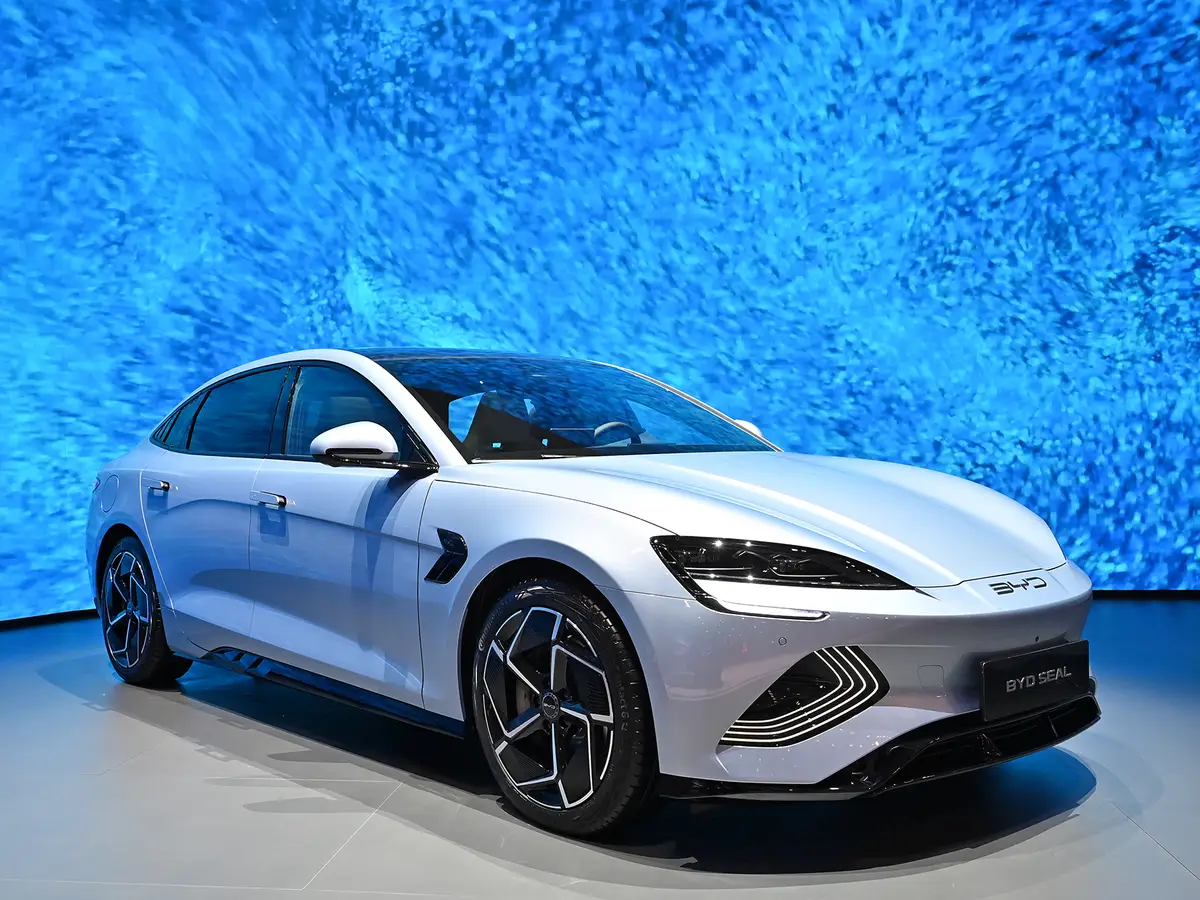
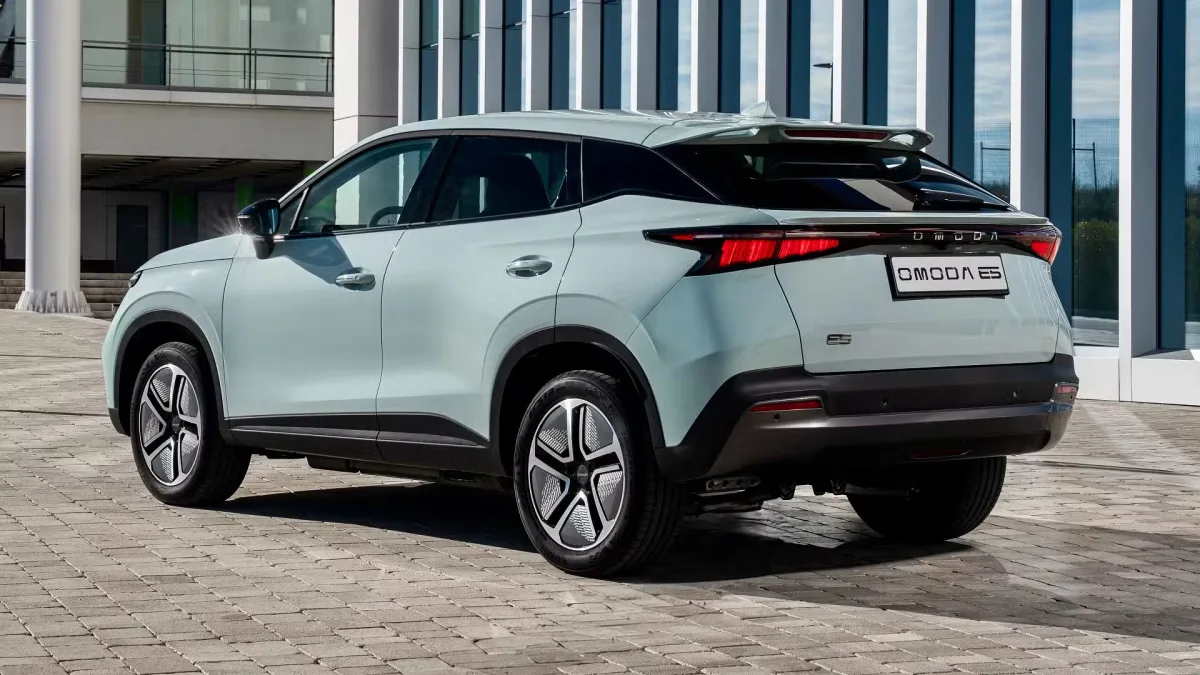
Geely benefits from its Volvo partnership, which shows in build quality. Chery’s Omoda E5 offers an impressive range and fast charging at a competitive price point.
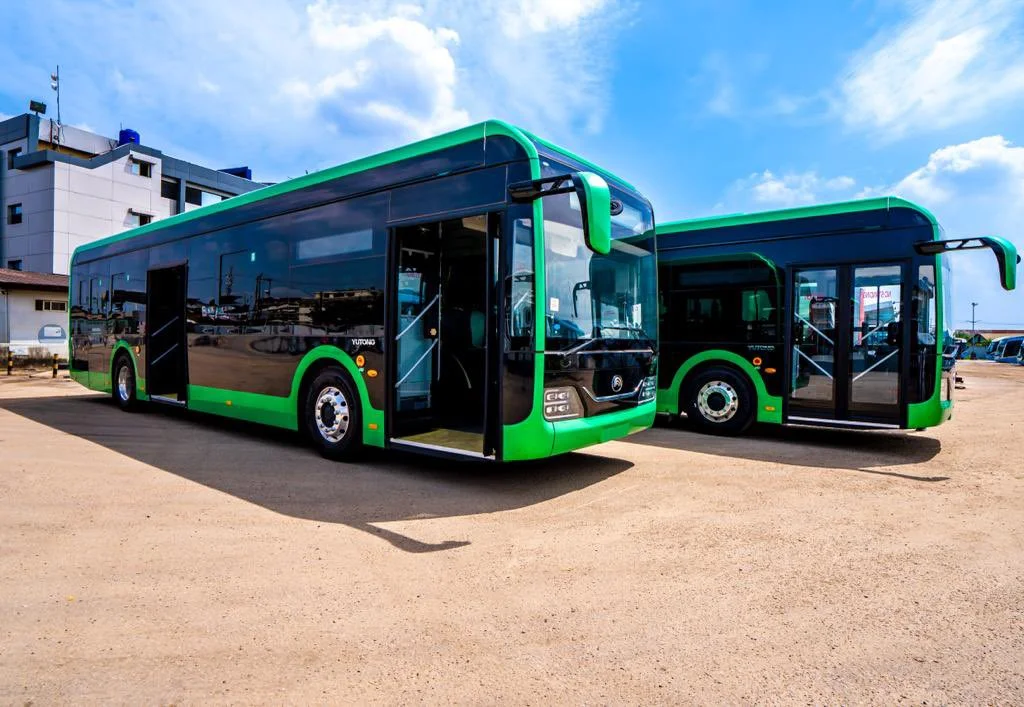
For budget-conscious buyers, the Neta V starts around $9,500 and delivers solid value. For commercial operators looking at buses, Yutong has already proven itself through a 12,000-unit deal with the Nigerian government.
How Much Does It Cost to Import Electric Vehicles to Nigeria?
For a mid-range EV from a Chinese manufacturer, expect to pay around 40–60% on top of the vehicle price once you factor in shipping, duties, levies, clearing fees, insurance, and local transport. Shipping alone runs $1,200 to $2,500 for container shipping, and import duties plus the NAC levy add roughly 25–35% depending on the vehicle type.
The timeline from purchase to delivery is typically 30 to 45 days once the vehicle ships, depending on port activity and how smoothly customs clearance goes.
Of course, before any of that happens, you need to pay your supplier, and that’s where things can get tricky. Foreign exchange restrictions, slow bank transfers, and the paperwork involved in letters of credit make paying Chinese suppliers from Nigeria more complicated than it should be.
But some importers have figured it out. They’re paying Chinese suppliers without delays, blocked transfers, or excess paperwork.
Documents You Need for Import
Once you understand how to import electric vehicles to Nigeria, the paperwork is more straightforward than it used to be.
Before your vehicle ships, you’ll need to register Form M on the Nigerian Trade Platform and secure your SONCAP certificates. Your documentation package should include the commercial invoice, certificate of origin, bill of lading, and insurance certificate.
Once the vehicle arrives, everything runs through the Single Window platform. You submit documents, pay duties based on the VIN valuation (which customs calculates using their own system, not your purchase price), clear inspection, and collect your vehicle.
A good clearing agent who understands EV regulations is worth the fee. Delays at the port mean storage charges, and small documentation errors can snowball into expensive problems.
Thinking beyond as an Auto Importer
The EV transition is creating opportunities beyond just importing vehicles. Fleet operators (ride-hailing companies, logistics providers, corporate fleets) are actively looking to convert.
For importers willing to think bigger, the real opportunity might not be in the vehicles themselves, but in the ecosystem growing around them. The EV market in the country has moved past the experimental phase. Knowing how to import electric vehicles to Nigeria is one thing. The question is how much of this growing market you want to capture.