
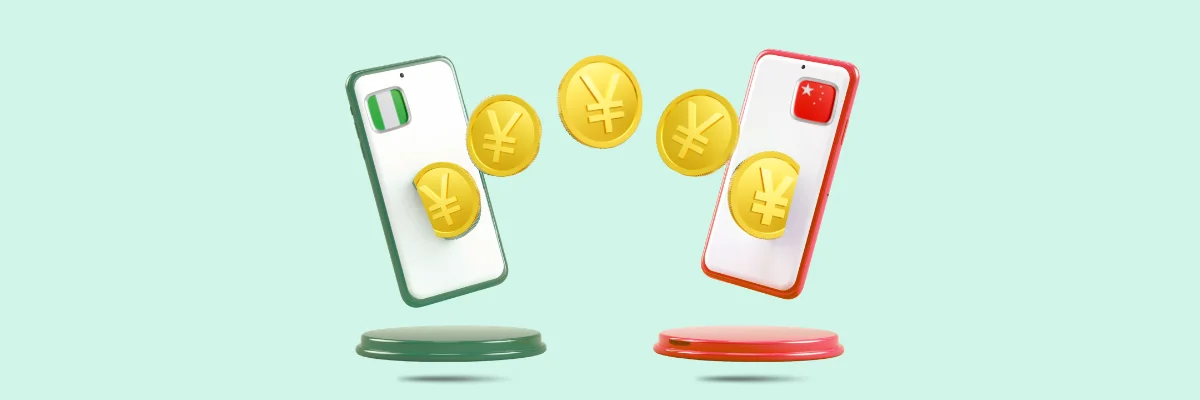
China is Nigeria’s largest trading partner, and Nigerian businesses have imported goods worth over ₦14 trillion from China, everything from electronics and machinery to textiles, auto parts, and household items.
But while sourcing products from China has become easier than ever, figuring out how to pay Chinese suppliers from Nigeria remains a major challenge. From FX scarcity and banking delays to high fees and fraud risks, Nigerian importers face obstacles that can derail even the most promising deals.
This guide walks you through the most reliable ways to pay your Chinese suppliers, the compliance requirements you can’t afford to ignore, and how to protect yourself from scams.
The Real Challenges You’re Up Against
FX Access Is a Constant Battle
Getting dollars or yuan through official banking channels often feels impossible. Demand outstrips supply, and many importers end up waiting weeks for allocations that may never come or turning to the parallel market where rates are significantly higher.
Exchange Rate Volatility Eats Into Your Margins
As the naira fluctuates, payment can take five days to process, costing you significantly more (or less) than you budgeted. For businesses operating on thin margins, this unpredictability is a serious problem.
Banking Delays Slow Everything Down
Traditional wire transfers to China take 4-7 business days. Sometimes longer. While you’re waiting, your supplier is waiting, your goods are sitting in a warehouse, and your customers are getting impatient.
Fees Add Up Fast
Bank charges, exchange rate markups, and by the time your payment reaches your supplier, you’ve lost a significant chunk to intermediaries along the way.
Trust Is Hard to Come By
When official channels are slow or inaccessible, many importers turn to agents and informal brokers. Some are legitimate. Many are not. The stories of money disappearing into thin air are all too common.
Understanding CBN Compliance
Form M
Form M is a mandatory declaration document required for all imports into Nigeria. You must process it through the Nigeria Single Window Trade Portal before placing orders or making payments.
Without a valid Form M, your bank won’t process your telegraphic transfer, and your goods may be denied clearance at Nigerian ports.
How to get it:
- Register on the Trade Portal
- Submit a valid Proforma Invoice from your supplier
- Provide supporting documentation (insurance, ID, Risk Assessment Report)
- Submit through your bank for Customs approval
Pro tip: Always open Form M before initiating payment. Doing it in reverse order triggers regulatory issues.
Proforma Invoice
This preliminary bill from your supplier outlines goods, quantities, prices, and payment terms. It’s required to open Form M and is usually needed by Nigerian banks before they release funds for international transfers.
Make sure it includes your supplier’s full company name, bank details, and signature.
The Best Way to Pay Chinese Suppliers
Clea is a payment platform built specifically for African importers paying international suppliers. You can:
Fund Your Wallet in Naira
No need to source dollars before making payments. Deposit naira directly, and Clea handles the conversion at competitive rates. This alone eliminates one of the biggest friction points for Nigerian importers.
Stablecoin Support
Already holding USDT or USDC? You can fund your wallet with stablecoins with zero conversion charges.
More Chinese suppliers, especially those dealing with African markets, now accept stablecoins like USDT and USDC.
Why suppliers are open to this:
- Speed: Transfers settle in minutes, not days
- Stability: Payments arrive in USD-pegged assets, eliminating concerns about naira depreciation
- Lower costs: No correspondent banks taking cuts along the way
- Transparency: Blockchain transactions are traceable and verifiable
For Nigerian importers, this opens up possibilities, particularly when traditional banking channels prove slow or inaccessible, or when working with suppliers who’ve embraced digital payments.
Domestic Transfer and SWIFT Options
Not every supplier accepts stablecoins. Clea also handles traditional RMB/CNY transfers and SWIFT payments to Chinese banks, giving you options regardless of your supplier’s preference.
Fast Settlement
Same-day and next-day settlement options mean your supplier sees payment quickly. When goods are ready to ship, and timing matters, this speed makes a real difference.
Payments in Your Business Name
This detail matters more than it might seem. When payments arrive from random third-party accounts, it raises red flags with suppliers and can lead to payment rejection. Clea completes payments in your own business name, building trust and avoiding complications.
Why Importers Love Clea
Clea has gained particular traction with African importers. It’s an easy access to paying auction platforms like Copart and IAAI, shipping agents with tight deadlines, and suppliers who need payment confirmation before releasing goods. The combination of speed, reliability, and flexibility addresses importers’ specific pain points.
Getting Started with Clea
Visit tryclea.com, create an account, and complete the one-time verification. Fund your wallet, and you’re ready to pay suppliers.


Other Options to Pay Chinese Suppliers From Nigeria
Letters of Credit (LC)
A Letter of Credit is a guarantee from your bank to your supplier’s bank that payment will be made once agreed conditions are met. It’s the most secure option for high-value transactions.
How it works:
- Approach your bank with the supplier’s contract and proforma invoice
- Bank issues LC to the supplier’s bank
- Supplier ships goods and provides documentation
- Bank verifies compliance and releases funds
Cons: Expensive (bank charges plus confirmation fees), paperwork-intensive, processing takes 7-21 days.
Telegraphic Transfer (T/T) Through Nigerian Banks
This is still the most common method. It’s a direct bank-to-bank transfer, typically in USD.
How it works:
- Get a Proforma Invoice from your supplier
- Open Form M through your bank
- Submit required documentation
- Bank sends payment via SWIFT to your supplier’s bank in China.
Cons: Processing takes 3-7 business days, fees can be steep ($50-$100+ per transaction), and you’re subject to FX availability and exchange rate fluctuations.
Using Chinese Agents
Sometimes, the easiest way to pay a Chinese supplier from Nigeria is not to pay them directly at all. Instead, you pay a trusted agent, either based in Nigeria or China, who handles the payment on your behalf.
Cons: You’re trusting a middleman with your money. Transparency can be limited, and if things go wrong, you have little recourse. It’s not ideal for large transactions requiring official documentation.
Critical warning: This method carries significant risk if you don’t know and trust your agent personally.
How to Avoid Scams When Making Payments
Verify Before You Pay
Never assume a supplier is legitimate just because they have a website or Alibaba profile. Scammers use cloned sites and fake documents all the time.
What to do:
- Request official documents: business license, export license, company registration
- Cross-check on other Chinese platforms
- Search for reviews or complaints on sourcing forums
- Verify bank details through a secondary channel (phone call, video call)
Red flag: If a supplier pushes for payment to a personal account or refuses to provide documentation, walk away.
Use Inspections for Large Orders
Before sending significant payments, especially for first orders, consider using third-party inspection services like SGS, Bureau Veritas, or QIMA. They can verify the supplier, inspect products, and confirm shipment readiness.
A small inspection fee upfront can save you from losing millions to a fake supplier.
Watch for Warning Signs
- Suppliers insisting on Western Union or personal account transfers
- Unusually large advance payment requirements
- Pressure to move faster than you’re comfortable with
- Bank details that don’t match the company you’ve been communicating with
- Discounts offered for paying outside secure platforms
Paying Chinese suppliers from Nigeria is easier today than it used to be. With better payment platforms, Nigerian businesses now have faster and more reliable ways to pay.
The key is to stay compliant, choose the right payment method for each transaction, verify suppliers carefully, and pay on time. When payments work smoothly, trade flows better and your business grows without unnecessary friction.
Frequently Asked Questions (FAQs)
What is the safest way to pay Chinese suppliers from Nigeria?
The safest way to pay Chinese suppliers from Nigeria is to use a traceable, compliant payment method that matches your supplier’s official details. This typically includes wire or SWIFT transfers through a reliable cross-border payment platform like Clea. Avoid sending payments through informal third parties unless you fully trust them and understand the risks.
Can I pay Chinese suppliers in Naira?
Most Chinese suppliers do not accept naira directly. Payments are usually made in USD, RMB, or stablecoins. However, platforms like Clea let you fund your wallet in naira and handle the conversion automatically.
Are stablecoin payments to Chinese suppliers legal?
Nigeria's crypto regulations continue to evolve. While stablecoins offer advantages for cross-border payments, use compliant platforms that maintain proper documentation and operate within regulatory guidelines.
Can small businesses from Nigeria pay for goods in China without a domiciliary account?
Yes. Many modern payment platforms like Clea allow Nigerian businesses to fund payments in Naira without needing to maintain a domiciliary account, then send funds to Chinese suppliers in the required currency.