
Getting USD has become one of the most unpredictable parts of importing a car into Nigeria. The challenge isn’t simply finding someone to sell you dollars. It’s everything that happens before the payment reaches the seller.
One importer might spend an afternoon calling different Bureau de Change operators because no single person has enough USD. Another finally gets the cash, only to queue at the bank to deposit it into a domiciliary account before an international transfer can be processed. Someone else pays a higher exchange rate because an auction deadline is only hours away.
None of these costs appear on the invoice for the car, but they all increase what it takes to complete the purchase.
That’s why many dealers spend time looking for the cheapest way to get USD for their car imports into Nigeria. The goal is to complete the entire payment process with fewer costs, fewer delays, and less back and forth.
The reality is that there isn’t one standard way Nigerians access USD. The best option depends on how you import, how often you make international payments, and how much you’re really paying by the time the seller receives your money.
Buying USD from a Bureau de Change: What to Expect
A Bureau de Change (BDC) remains one of the most common ways to access USD for car imports because it’s familiar and relatively easy to find. If you’re making a smaller payment, buying the dollars and moving on with your transaction can be straightforward.
Large purchases usually require more USD than a single operator has available. It’s not unusual for importers to call or visit multiple Bureau de Change operators before they can get the full amount they need. Along the way, exchange rates may vary from one seller to another, making it difficult to know the true cost of the transaction.
Buying physical cash also comes with its own concerns. People prefer dealing with operators they already know or who have been recommended by someone they trust. That’s because handling large amounts of cash carries risks, including the possibility of receiving counterfeit notes if you’re dealing with the wrong person.
Even after you’ve sourced the dollars, the payment isn’t complete. If you want to send money through your bank, the cash must still be deposited into your domiciliary account before the international transfer can begin. In other words, buying the USD is only one step in a much longer payment process.
Opening a Domiciliary Account
Having a DOM account might not be the best solution to getting USD.
If you’re opening one for the first time, that process can also take longer than expected.
Banks in Nigeria require documents such as a valid form of identification, proof of address, passport photographs, and completed account-opening forms. Depending on the bank, you may also need referees or reference forms before the account can be activated. While banks have relaxed some of these requirements, opening a domiciliary account is still not something most people can do overnight.
For someone importing a car, especially for the first time, this becomes an unexpected delay. You’ve found the vehicle, agreed on the price, and you’re ready to pay, only to discover you’re still waiting for your account to be opened or funded.
Even after the account is active, the work isn’t over. You still have to credit the account, and that would mean depositing the USD cash gotten from either a BDC or through other means of cash inflow.
A domiciliary account remains useful, especially if you make international payments regularly. But on its own, it doesn’t reduce the cost or complexity of getting USD.
Relying on Friends and Relatives Abroad
This has been one of the easiest ways Nigerians access USD for international payments.
The arrangement is simple. You send the equivalent amount in naira to a trusted friend or relative in Nigeria, and they complete the payment in USD from abroad.
For someone importing a vehicle occasionally, it can work well. There’s no need to source physical dollars yourself, and if the person already has a US bank account, the payment can be completed without going through several steps.
The downside is that you’re relying on someone else’s availability.
If they’re unavailable, travelling, or unable to make the payment immediately, your transaction has to wait. That may not be a problem for every purchase, but it can become stressful when you’re working with auction payment deadlines.
It also isn’t an option for everyone. Not every importer has family or trusted contacts abroad, and as your import business grows, relying on another person for every payment becomes harder to manage.
For occasional transactions, it can still be a convenient solution. For regular imports, most businesses eventually look for a payment method they can manage independently.
Getting USD Through P2P and Crypto Off-Ramps
Some Nigerians also use peer-to-peer (P2P) marketplaces or crypto off-ramp services to access USD, particularly when they need funds quickly or are looking for alternatives to traditional banking channels.
The process varies depending on the platform. In some cases, users buy or sell digital assets such as USDT or USDC, then convert the proceeds into USD or use them to fund international payments.
While this approach can offer speed and flexibility, it also requires caution.
Exchange rates can vary from one platform or trader to another, and not every service offers the same level of security or customer protection. Importers also need to be aware of transaction limits, verification requirements, and the risk of dealing with fraudulent counterparties if they’re using unverified P2P traders.
When making regular car payments, consistency and reliability are just as important as speed. That’s why it’s important to choose a payment method designed specifically for cross-border business transactions.
The Cheapest Way to Get USD for Car Imports in Nigeria
If you import cars regularly, the cheapest way to get USD is not always the method with the lowest exchange rate. It is the one that takes you from naira to a completed international payment with the fewest extra costs and the least delay.
Dedicated cross-border payment platforms for importers make this easier. Instead of sourcing dollars, funding a domiciliary account, and then arranging a separate international transfer, a platform like Clea handles all of it in one place. You verify your account once, using a valid government-issued ID for individuals or verified documents for businesses, then fund and convert whenever you are ready to pay.
With Clea, you can:
- Skip sourcing dollars or maintaining a separate domiciliary account
- Fund your account directly in naira and convert to USD within the platform when you are ready to pay
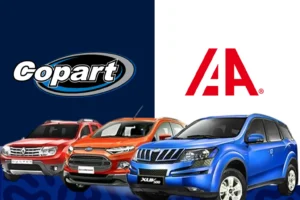
- Pay auction platforms like Copart and IAA, international car shippers, and other overseas businesses from the same account
- Track your payments from one dashboard
Which USD Option Fits Your Import Needs?
The table below compares the most common ways Nigerians get USD for car imports, based on the steps involved, convenience, and how each option fits different importing needs.
| BDC | DOM Account | Friends / Families Abroad | P2P & Crypto | Clea | |
|---|---|---|---|---|---|
| Fund with naira | ✓ | ⛌ | ✓ | ✓ | ✓ |
| Requires sourcing dollars | ✓ | ⛌ | ⛌ | ⛌ | ⛌ |
| Separate DOM account needed | ✓ | ✓ | ⛌ | ⛌ | ⛌ |
| Verification required before use | ⛌ | ✓ | ⛌ | ✓ | ✓ |
Frequently Asked Questions
Can I use my domiciliary account to pay Copart directly?
Yes, but processing time is often too slow for tight auction payment deadlines. It works better for planned purchases where you are not racing a clock. Instead, use a dedicated Copart payment platform like Clea.
Can I pay car auctions abroad directly with naira?
No. Many auction platforms like Copart and IAA require payment in foreign currency, usually USD. You must first convert your naira into USD. However, with Clea, you can convert your naira to USD instantly and pay auctions abroad.
How much USD do I need to import a car from the US?
This depends on the vehicle price, auction fees, shipping, clearing, and duty. Use the landing cost calculator guide to get an accurate total before you start sourcing dollars.
Is Clea a bank?
Clea is not a bank, but a licensed Money Services Business (MSB) provider and a straightforward alternative to banks for international payments. It’s built for car importers and businesses paying overseas suppliers, letting you fund in naira, convert to USD, and pay directly without the need for a domiciliary account.
Is Clea only for car importers?
No. While Clea is designed to support importers, including those buying vehicles from international dealers and auction platforms, it can also be used by businesses making other types of cross-border payments.