

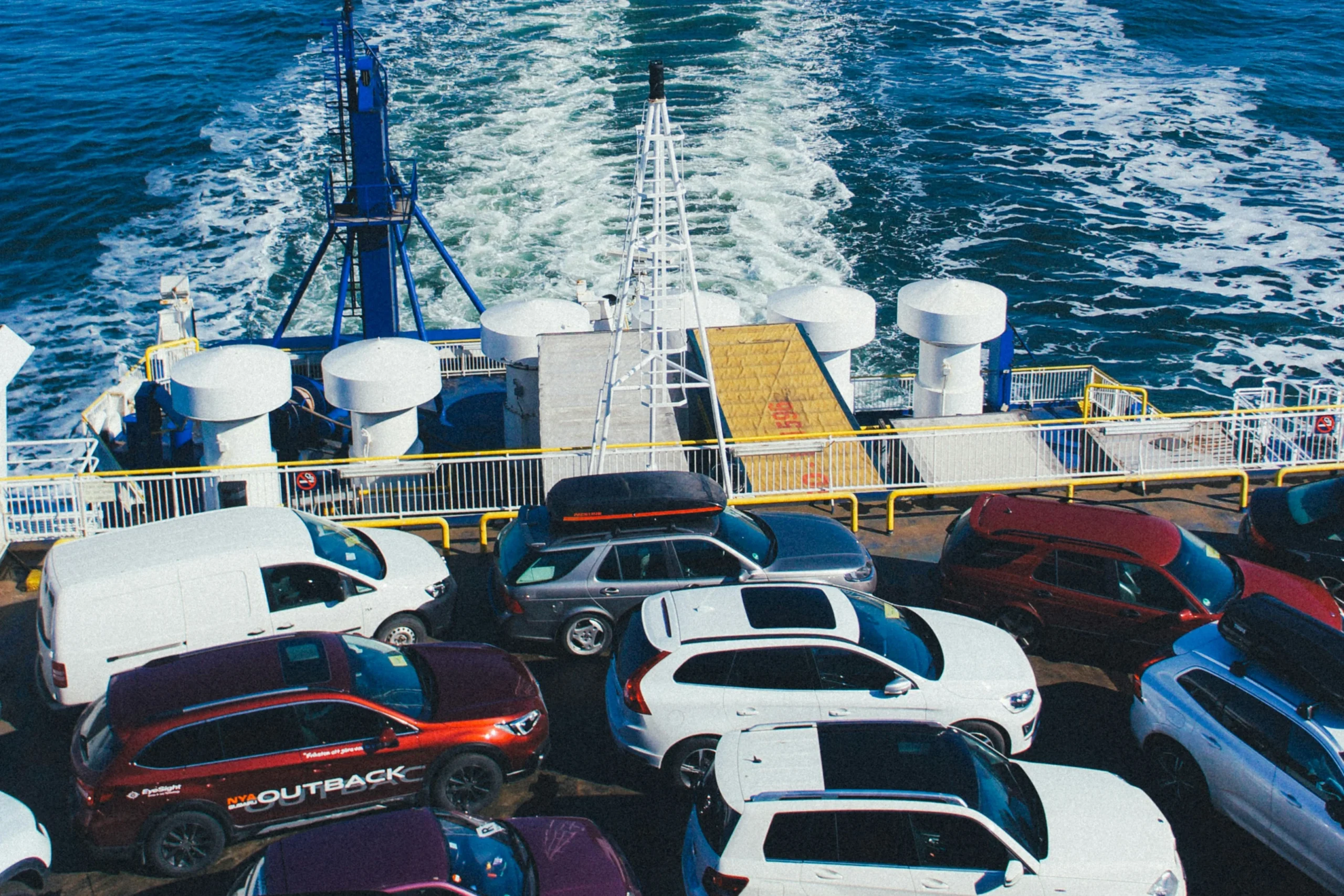
Every week, thousands of vehicles move across the ocean or air as part of a global trade network connecting auctions, dealers, shipping lines, and ports. For Nigerian importers, this network makes it possible to access better prices, wider choices, and newer models than the local market often offers.
But global access comes with one big unknown, which is time.
Knowing how long it actually takes to ship a car to Nigeria isn’t just useful information; it’s essential for planning costs, clearing logistics, delivery expectations, and coordinating payments to international vendors or shipping partners through a secure global payment provider for car imports.
How Long Does It Take to Ship a Car to Nigeria Based on the Country?
Not all shipping routes are created equal. A car leaving New York will reach Lagos much faster than one leaving Shanghai or Vancouver. Here’s what the timelines look like from the most common countries Nigerians buy cars from.
From the USA
The USA is the number one source of imported vehicles into Nigeria, particularly through auto auction platforms like Copart and IAAI.
If you’re going that route, knowing how to pay for US car auctions from Nigeria ahead of time will save you a lot of stress.
The ocean transit time from the US to Lagos depends heavily on which coast you’re shipping from. From East Coast ports like New York, New Jersey, Baltimore, or Savannah, vessels typically reach Lagos in about 17 to 22 days. From the West Coast (Los Angeles, Long Beach), you’re looking at 25 to 28 days or more due to the longer route.
The time on the water is just one piece of it. Before the car even gets on a ship, it needs to be transported to the port, go through export documentation, and get loaded. After it arrives in Lagos, there’s customs clearance, which takes another 5 to 10 working days with a good clearing agent.
All in, the full process from the USA to Nigeria typically takes 5 to 8 weeks. In some cases, especially with West Coast shipments or document delays, it can stretch to 9 weeks.
From the UK and Europe
The UK is another major source for Nigerians in the diaspora shipping vehicles home. Most shipments leave from the Port of Tilbury or Southampton, with Grimaldi being one of the main carriers on this route.
Ocean transit from the UK to Lagos (Tin Can Island) takes approximately 23 to 28 days, with vessels departing every one to two weeks. From other parts of Europe, such as Germany and Belgium, transit times are similar, generally falling in the 3 to 5 week range.
Including documentation and customs clearance on both ends, the total timeline from the UK or Europe to Nigeria is typically 6 to 8 weeks.
From Dubai (UAE)
Dubai has become an increasingly popular sourcing point for Nigerians, especially for luxury and high-end vehicles. Shipments leave from Jebel Ali port.
Sea freight from Dubai to Lagos takes roughly 3 to 4 weeks on the water. Vessel departures are less frequent than from the US, typically every two to four weeks, so timing your shipment with the sailing schedule is important. Missing a sailing could add another two to three weeks of waiting.
The total process from Dubai to Nigeria, including documentation and clearing, usually falls within 5 to 7 weeks.
From China
Transit times from China vary widely depending on the port of departure.
From Shanghai or Tianjin (both on the eastern coast), ocean transit to Lagos averages 18 to 25 days. From southern ports like Guangzhou or Shenzhen, the journey is significantly longer (35 to 42 days), especially when shipping to ports like Onne or Port Harcourt rather than Lagos.
Factoring in documentation and Nigerian customs, expect the total timeline from China to Nigeria to be around 5 to 9 weeks.
See Also: The Best Way to Pay Chinese Suppliers From Nigeria
From Canada
Canada is a growing but smaller market for Nigerian car imports. RoRo services from Canada can be limited, so most vehicles ship in containers.
Ocean transit from Canadian ports like Montreal, Halifax, or Saint John to Lagos takes about 30 to 45 days. The limited frequency of sailings to West Africa from Canadian ports contributes to the longer timeline.
The full process from Canada to Nigeria typically takes 6 to 9 weeks.
How the Car Shipping Method Affects Your Timeline
The two main methods for shipping a car to Nigeria are RoRo (Roll-on/Roll-off) and container shipping. Your choice between them can add or shave off time from your delivery.
RoRo Shipping
With RoRo, the vehicle is driven directly onto a cargo vessel and secured on the ship’s car deck. It’s faster to load and unload, and the transit times tend to be on the shorter end, typically 3 to 4 weeks by sea from the US.
The main advantage of RoRo beyond cost savings is speed. Because loading is simpler and departure schedules from US ports are frequent (often weekly), there’s less waiting around.
Container Shipping
The downside of container shipping is that it’s slower. Container transit times are generally 4 to 6 weeks by sea. The extra time comes from the additional steps involved – loading the container, positioning it on the vessel, and sometimes transshipment at intermediate ports.
Factors that Can Affect Your Shipping Time
The timelines above are solid estimates, but several factors can push your delivery earlier or later. Here are the main ones to keep in mind:
Condition of the Car
This is one of the biggest variables. A clean, running car moves through documentation quickly and clears customs without extra scrutiny. A car with minor damage (dented fender, cracked bumper) that still runs and drives, ships just as fast.
Things slow down when the car has major structural damage or is non-running. These vehicles may require a forklift or tow to load ($400–$700 extra), and heavily damaged cars can draw closer customs inspection in Nigeria.
A Running car (clean or salvage title) gets a standard 5–8 week timeline, while a non-running car with major damage gets a plan for 7–10 weeks.
Weather and Sea Conditions
Rough seas, storms, or hurricanes can delay vessel departures or force ships to reroute. This is more common during the Atlantic hurricane season (June to November) and winter months. There’s not much you can do about this, but it’s worth factoring in a buffer if you’re shipping during these periods.
Port Congestion
Lagos ports, particularly Apapa and Tin Can Island, are among the busiest in West Africa. During peak import season (September through December), congestion can delay unloading by several days. Shipping during the first half of the year generally means faster processing.
Sailing Frequency and Vessel Schedules
Not all routes have weekly sailings. From the US East Coast, vessels to Lagos depart roughly every week. From Dubai, it’s every two to four weeks. From Canada, schedules can be even less frequent. If you just miss a sailing, you could be waiting an extra one to three weeks for the next one. Always check the schedule before booking.
Documentation and Customs
Incomplete or incorrect paperwork is the single most common cause of delays. A missing title, wrong details on the bill of lading, or unpaid duties can hold your car at the port for days or weeks and rack up storage fees in the process. Getting your documents in order before the car ships is the best thing you can do to keep things on schedule.
Currency Fluctuations
Nigerian Customs calculates duties using a weekly exchange rate set by the Central Bank. If the naira weakens between when you budget and when you pay, your costs go up. Paying duties promptly after the car arrives helps lock in a better rate.
What Happens After the Car Arrives in Nigeria?
The car landing at a Nigerian port isn’t the finish line. Customs clearance is a whole separate phase, and how smoothly it goes depends largely on your preparation.
With complete documentation and a licensed clearing agent, customs clearance in Nigeria typically takes 5 to 7 working days. But this can stretch to 2 weeks or more if documents are incomplete, duties are unpaid, or you’re importing during peak season.
Port storage fees (demurrage) also kick in if your car sits at the port too long. These fees accumulate daily and can get expensive fast. The best way to avoid this is to have your clearing agent and documents ready before the car arrives.
Read more on clearance and import procedure in Nigeria:
A Realistic Full Timeline
Putting it all together, here’s what the entire process looks like from start to finish:
| Stage | Typical Duration |
| Purchase and document preparation | 3 -7 days |
| Inland transport to port of departure | 2 – 7 days |
| Export processing and loading | 3 – 7 days |
| Ocean transit | 2 – 6 weeks (varies by route and method) |
| Customs clearance in Nigeria | 5 – 10 working days |
| Total | 5 – 10 weeks |
For a clean, running car shipped via RoRo from the US East Coast with documents ready to go, the car could be in your hands in Lagos within 5 to 6 weeks. For a salvage car shipped in a container from locations like Canada or China, plan for 8 to 10 weeks.
Tips to Speed Things Up
- Choose an East Coast US port when possible: New York, Baltimore, and Savannah are closer to Nigeria and offer faster transit than West Coast ports.
- Get your documents ready before the car ships: Title, bill of sale, passport copy – have everything sorted before the vessel departs. This prevents delays on both the export and import sides.
- Hire a reliable clearing agent in Nigeria: This is arguably the single most important decision in the whole process. A good agent can clear your car in 5 days. A bad one can leave it sitting at the port for weeks.
- Ship during off-peak months: January through August tends to have less congestion at Lagos ports. The September to December period sees higher import volumes and slower processing.
- Check sailing schedules before booking: Some routes have weekly sailings, others sail every two to four weeks. Knowing the schedule helps you avoid unnecessary waiting at the origin port.
Frequently Asked Questions
How old can a car be to import into Nigeria?
Nigeria currently enforces an age limit of about 10 to 12 years on imported vehicles. So in 2026, you should aim for 2015 models and newer to avoid seizure, heavy penalties, or inflated duty charges. This rule applies to most passenger cars and SUVs. Always confirm the current limit with your clearing agent before purchasing.
What is the cheapest way to ship a car to Nigeria?
RORO shipping is typically the most affordable option if the vehicle is driveable. Container shipping costs more, but offers added protection and is necessary for non-running or luxury vehicles.
Is RoRo faster than container shipping?
Yes. RoRo transit is typically 1 to 2 weeks shorter than container shipping because loading is faster and vessels often follow more direct routes.
Can I track my car while it’s being shipped to Nigeria?
Yes. Most shipping lines and freight agents provide tracking information once the vehicle is loaded. You can usually monitor the vessel’s route and estimated arrival date online.
Can I ship a salvage car to Nigeria?
Yes. Nigeria accepts salvage title vehicles. However, salvage cars usually require container shipping and may take 7 to 10 weeks from purchase to delivery.
How long does it take to ship a car to Nigeria from USA?
Shipping a car from the United States typically takes 3 – 6 weeks at sea, depending on the departure port. When you include inland transport, export processing, and clearing in Nigeria, the full process usually takes 6 – 9 weeks.
How long does customs clearance take in Nigeria?
With a licensed clearing agent and complete paperwork, expect 5 to 7 working days. It can take longer if documents are missing, duties are unpaid, or you’re clearing during peak season.
What documents do I need to clear a car in Nigeria?
You’ll typically need the Bill of Lading, vehicle title, bill of sale, proof of identity (passport), and, depending on the vehicle, a Form M and PAAR (Pre-Arrival Assessment Report).
When is the best time to ship a car to Nigeria?
January through August generally sees less port congestion in Lagos. Avoid the September to December peak season if you can as clearance times tend to be longer, and storage costs can add up.
Can I ship more than one car in a single container?
Yes. A standard 40ft container can typically fit 2 to 4 vehicles, depending on their size. This is a common strategy for dealers and bulk buyers to reduce per-unit shipping costs. A 20ft container usually fits one car comfortably.