

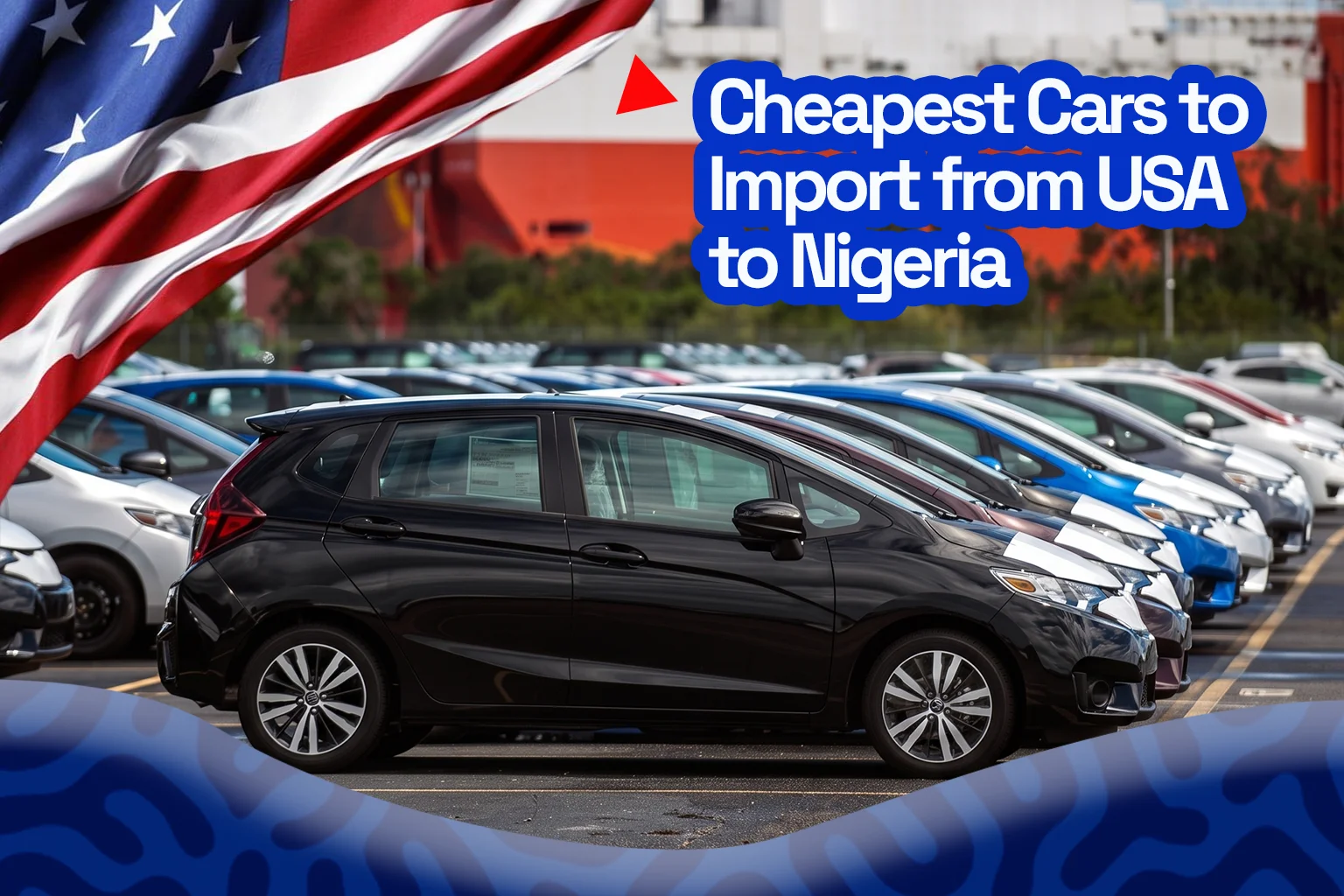
There’s a reason the same handful of cars keeps showing up in Nigeria’s used-car market. Buyers know them well, and so do the mechanics and parts sellers who keep them running. That familiarity has kept demand for them steady.
When searching for the cheapest cars to import from USA to Nigeria, it’s easy to focus too much on what looks inexpensive in America. What counts more is which of those cars still make sense once they land in Nigeria.
Nigeria’s latest vehicle import policy has also changed the sums behind what makes a car economical to bring in. Some parts of the used-car market now look far more attractive than others.
How the 2026 Green Tax Changes the Calculation
Engine capacity has become an important consideration when comparing the cheapest cars to import from the US.
Under the 2026 Fiscal Policy Measures and Tariff Amendments, Nigeria introduced a Green Tax surcharge on imported vehicles with engine capacities of 2,000cc and above. Vehicles below 2,000cc are exempt from the surcharge. The stated rates are 2% for vehicles from 2,000cc to 3,999cc and 4% for vehicles with engine capacities of 4,000cc and above.
This makes it worth checking the exact engine specification before buying.
The distinction can exist even within the same model. Different model years and trims may use different engines, so the model name alone does not establish the Green Tax treatment.
The 2026 changes also reduced the levy on used vehicles from 15% to 5%. That does not mean 5% is the complete cost of importing a used car. Other applicable duties, taxes and charges still form part of the final Customs and landed-cost calculation.
But for a budget-conscious purchase, a vehicle below the 2,000cc threshold can have a different cost profile from a larger-engined alternative.
The Cheapest Cars to Import from the USA
Toyota Corolla
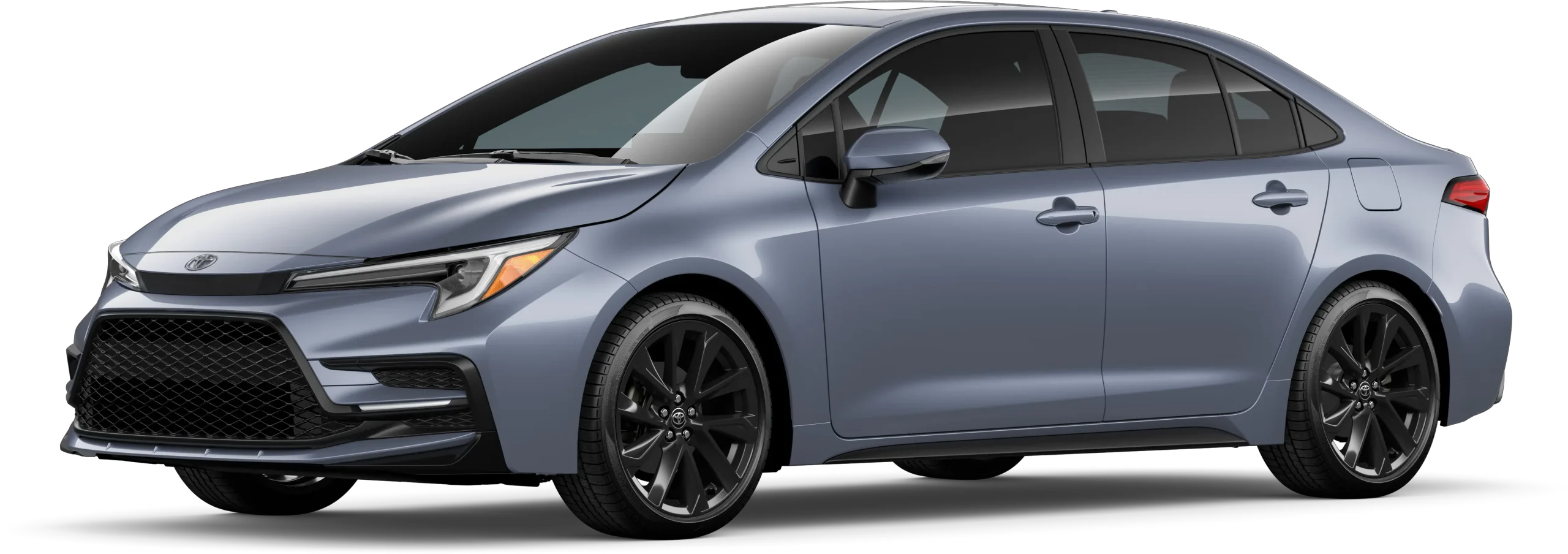
The Toyota Corolla remains one of the strongest options to consider when searching for the cheapest cars to import from the USA to Nigeria.
The key difference is the specific Corolla you’re sourcing. A newer, low-mileage model with a desirable trim can still go for a substantial price in the US. Older used models can offer a more accessible entry point while remaining within Nigeria’s current vehicle-age requirements.
The 2018 to 2022 period is worth a closer look, especially the 1.8-litre versions. Toyota offered the 1.8-litre engine across several trims of the 2020 and 2022 Corolla sedan, while other trims used a 2.0-litre engine.
The Corolla’s position in Nigeria is another reason it remains relevant. It is familiar to buyers, mechanics, and parts dealers, which makes the vehicle easier to maintain and resell than a less established model.
Honda Civic

The Honda Civic offers another route into the compact-car market.
US-market Civic models have been available with different engines across model years and body styles. The 2020 Civic, for example, included a 1.5-litre engine in several configurations, with a displacement of 1,498cc.
That places those versions comfortably below the 2,000cc Green Tax threshold.
The Civic is also widely available in the US, giving buyers more choice across model years, mileage and condition. That makes it possible to compare several vehicles rather than being tied to one particular listing or seller.
The condition of the individual car is still important. Modern Civics can contain sensors, airbags, and electronic components that make certain types of accident damage considerably more expensive to repair.
Hyundai Elantra

The Hyundai Elantra is also a good choice when the price of a suitable Corolla or Civic is higher than expected.
The model has a substantial presence in the US used-car market, which provides a broad supply of vehicles across different years, mileage, and conditions. Several versions use engines below 2,000cc, although the exact engine specification should be confirmed before purchase.
The Elantra can offer a lower acquisition cost while still providing the familiar compact-sedan format that already has a market in Nigeria. Its resale value is different from that of a Corolla, however.
Kia Forte
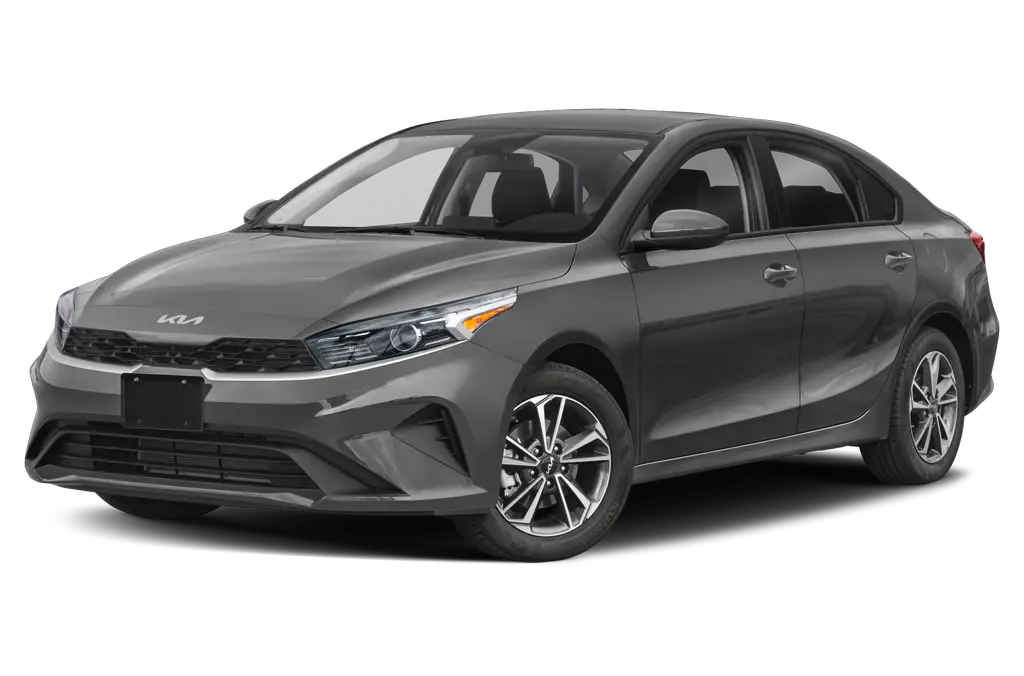
The Forte shares much of its engineering with the Elantra but usually costs less at US auctions because fewer buyers search for it by name. Units in this window run a 1.8 litre or 2.0 litre engine, both under 2,000cc, with a six-speed automatic. Many parts overlap with the Elantra, which makes life easier for Nigerian mechanics.
Its weakness is name recognition. A Forte can take longer to sell than an Elantra of the same year, so it only works when you buy it cheap enough to price it below a comparable Elantra and still keep your margin.
Nissan Sentra
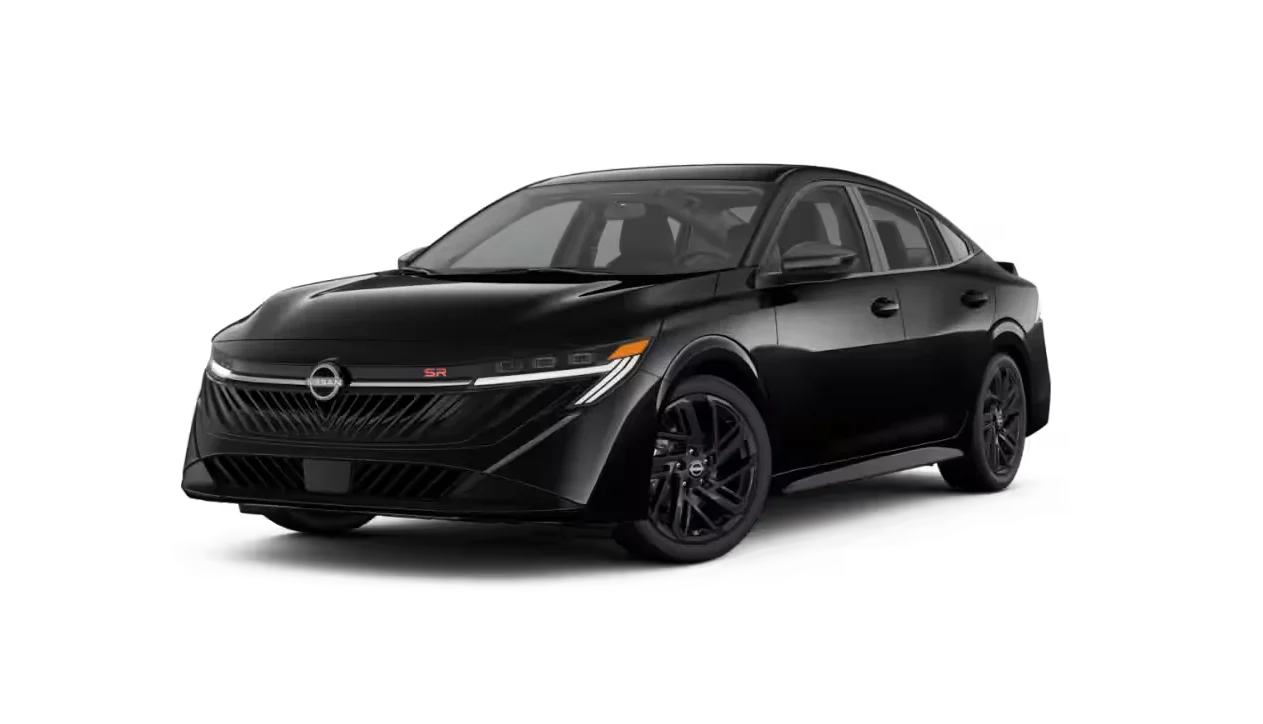
The Sentra often sells for less than a Corolla or Civic of the same year at US auctions, and its 1.8 litre engine keeps it under the Green Tax line. The catch is the CVT. The 2014 and 2015 models drew the most transmission complaints, and Nissan revised the gearbox software and fluid for the 2016 to 2019 cars. CVT repairs are expensive, so a Sentra with gearbox trouble can turn a cheap buy into a loss.
If you buy one, stick to the 2016 to 2019 models with low mileage and no transmission faults in the condition report, and price it honestly. Treat it as an occasional opportunity when the price is right, and keep your core stock in the models above.
What to Check Before Buying a Cheap Car
The brand alone does not determine if a car will be economical to import. You need to consider 4 things.
Model year
Nigeria’s current rules generally restrict the importation of used vehicles older than 12 years. That makes the vehicle’s actual year of manufacture an important check before any money is committed.
Older vehicles can have lower US prices, but the savings need to be weighed against their remaining eligibility and likely resale value.
Condition
The difference between a simple repair and a complicated one can change the economics of a car considerably.
Minor body damage is easier to assess than flood damage, extensive electrical problems, or structural damage. The vehicle history, title, and available photographs should all be reviewed before purchase.
US Location and Shipping
A car priced lower in the US may lose that advantage if it is located several states away from an export port. Inland transportation can make a noticeable difference when comparing two otherwise similar vehicles.
Location also matters when assessing the car itself. Vehicles from states with harsh winters may need closer inspection for rust caused by road salt, while those from flood-prone areas warrant careful checks for water damage.
The best states in the USA to buy cars depend on more than the number of affordable listings available. Vehicle condition, proximity to export ports, and available shipping routes all deserve consideration.
Before committing to a purchase, compare the cost of moving each vehicle to the port, ocean freight, and the destination charges. This gives a reliable basis for deciding which car is cheaper to bring into Nigeria.
Resale Demand
A model that is already familiar in Nigeria has an advantage because buyers understand the car, mechanics know how to work on it, and replacement parts are easier to find. This is one reason Toyota and Honda models continue to feature prominently in the used-car market.
Resale demand is also central to how dealers make money importing cars. The objective is not simply to buy a vehicle cheaply. The purchase has to leave enough difference between the total cost of getting the car into Nigeria and the price the market is willing to pay for it. Choosing a model with established demand makes that calculation more predictable.
That is why checking the cars that perform well in the Nigerian market should form part of the research before settling on a vehicle.
Paying for a Car Purchased Abroad
Once the right car has been found, the next step is getting the payment to the seller. That could mean paying a broker, dealer, auction platform or another vehicle seller in the US, depending on how the car was sourced.
Most of these payments are made in USD, so the cost in naira depends on the exchange rate and the payment method used. Always factor this into the purchase from the beginning rather than treating the payment as a separate expense later.
With Clea, the process starts in Naira. Funds can be converted to USD and sent directly to US vehicle sellers, brokers, auction platforms, and shipping companies. That means the payment can be handled from Nigeria without needing to set up a US bank account just to complete the purchase.

Frequently Asked Questions
Can I bring a car in through Cotonou to pay less duty?
No. Nigeria has banned vehicle imports through its land borders since 2017, so cars must come in through Nigerian seaports and pay duty there. Cars brought across the border from Benin Republic without proper papers risk seizure by Customs.
Is it cheaper to ship a car by RoRo or in a container?
RoRo is usually cheaper for a single running vehicle. Container shipping can make more sense for non-running vehicles or when shipping multiple items together.
Do I need a dealer licence to buy from Copart or IAA?
It’s possible to buy cars from Copart and IAA without a dealer licence. Many vehicles are open to public buyers, and you can bid on the rest through a registered broker who holds a licence.
What documents do I need to import a car into Nigeria?
You need the car title, commercial invoice, bill of lading, and customs documentation. Additional documents may be required depending on how the car is purchased and shipped.