

Buying a car in Nigeria is rarely as simple as choosing the newest model or the one with the most features. A vehicle that performs well in one country may become expensive to maintain, difficult to repair, or impractical to own once it reaches Nigeria.
That’s why the best cars for Nigerian market are not necessarily the fastest or the most luxurious. They are the ones that continue to deliver value after the excitement of buying them has worn off. They start reliably, handle varying road conditions, keep fuel costs manageable, and can be serviced without weeks of searching for parts or a specialist mechanic.
This is important in today’s market. Vehicle prices have risen over the past few years because of exchange rate fluctuations, shipping costs, import tariffs, and changing government policies. Purchasing a car in Nigeria has become a long-term financial decision rather than an impulse purchase. Choosing the wrong vehicle can mean higher fuel bills, costly repairs, poor resale value, and unnecessary downtime.
The right choice, though, can save you hundreds of thousands of naira over the years. A dependable car with affordable maintenance and available spare parts almost always costs less to own than a cheaper alternative that keeps breaking down. It also tends to hold its value better, since demand for it stays strong in the used market.
Another factor unique to Nigeria is the variety of driving conditions. Daily commutes can involve smooth expressways, congested city traffic, uneven roads, flooded streets during the rainy season, and long interstate journeys, all within the same week. A car built for these realities is worth far more than one that simply looks good in the showroom.
We’ve weighed each pick in this guide against the factors Nigerian motorists care about most.
What Makes a Car Ideal for the Nigerian Market?
There’s no single car that’s perfect for every driver. A family of six has different priorities from a ride-hailing driver. Someone who travels between cities regularly may value durability over fuel economy more than either of them does. Even so, the vehicles that earn a strong reputation in Nigeria tend to share several characteristics.
Reliability
A reliable car continues to perform consistently even after years of use, provided it receives routine maintenance. These are vehicles whose engines and transmissions hold up under demanding conditions without requiring frequent repairs.
Fuel Economy
Fuel costs remain a major consideration for Nigerian drivers, so an efficient engine can cut ownership costs by a wide margin. Cars that combine good performance with reasonable fuel consumption are often the most practical choice.
Maintenance and Spare Parts
Routine servicing is inevitable, but it shouldn’t be difficult or expensive. Models with parts that are easy to find and mechanics who already know them well are generally cheaper and simpler to own.
Road Suitability
Road conditions vary across Nigeria. Some cities have modern networks, but many routes still have potholes, speed bumps, and seasonal flooding. Cars with durable suspension systems and reasonable ground clearance cope with these conditions far better than low-riding models built for smoother roads.
Automatic Transmission Performance
Automatic vehicles now account for a large share of the Nigerian used car market. However, not every automatic transmission delivers the same ownership experience. Traditional torque-converter automatics have built a reputation for lasting well. CVTs (continuously variable transmissions), by comparison, need more careful upkeep. Knowing which type of transmission a car has tells you about how long it will hold up.
Resale Value
A car should be viewed as an asset as much as a means of transportation. Some models retain their value well because demand remains consistently high in the local market.
The Best Cars for Nigerian Market: Our Top Picks
Every driver has different priorities, which makes it hard to crown a single best car. Rather than assigning a strict ranking, we’ve picked the models that stand out across the factors above, including ownership experience.
These are our top picks for the best cars for the Nigerian market in 2026.
Toyota Corolla
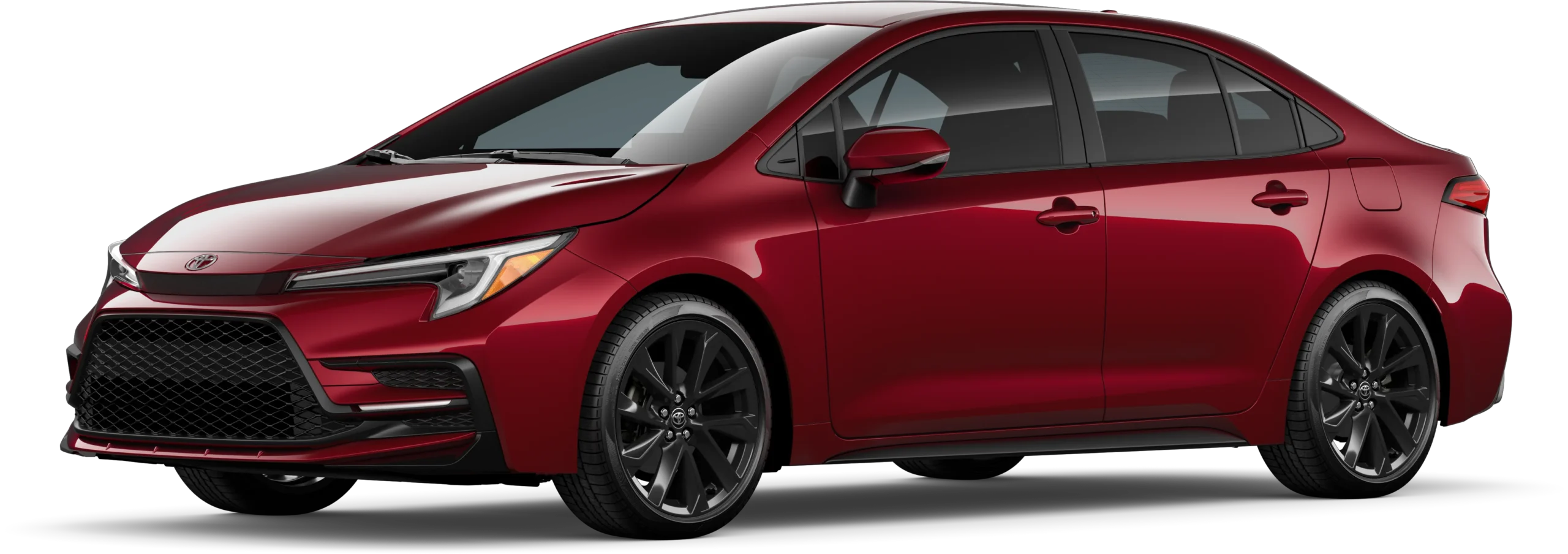
If there’s one vehicle that has earned its name in Nigeria over decades, it’s the Toyota Corolla. It remains one of the safest choices for anyone who wants a car that holds its value for years.
It’s also one of the easiest cars to own. Parts are easy to find across the country, mechanics are familiar with virtually every generation, and routine servicing is straightforward. Because of the large number of Corollas already on Nigerian roads, labour costs also tend to stay reasonable.
Depending on the model year, you’ll commonly find a 1.6L to 1.8L petrol engine paired with a 4-speed, 5-speed or CVT automatic transmission. Older torque-converter models are particularly popular for how long they last. Newer CVT-equipped models offer smoother acceleration and better fuel economy, provided they’re serviced properly. Either way, it’s a strong pick for commuters who want lower running costs without giving up comfort.
Toyota Camry
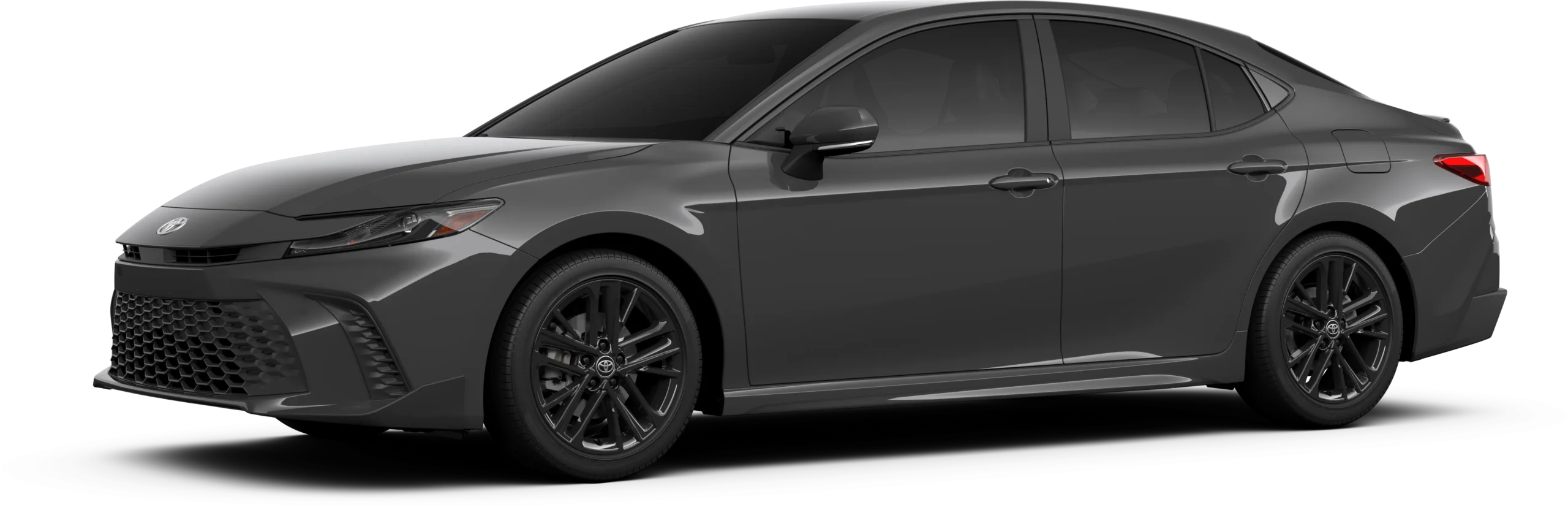
Over the years, the Camry has become particularly popular among professionals, executives, and families who want something more premium than a compact sedan but aren’t ready to move into the higher running costs associated with many luxury brands.
Most models come with conventional automatic transmissions known for holding up well when serviced regularly, though models before 2016 have run into issues worth checking for. The 4-cylinder engines strike the best balance between performance and fuel consumption.The V6 delivers stronger acceleration if you’d rather have power than fuel consumption.
It burns slightly more fuel than the Corolla, but many owners consider the extra comfort and performance worth the trade-off. The suspension absorbs uneven road surfaces well, and most replacement parts are easy to find, though some cost more than their Corolla equivalents given the car’s larger size. Routine servicing stays relatively affordable compared with many European sedans offering similar comfort.
Honda Accord
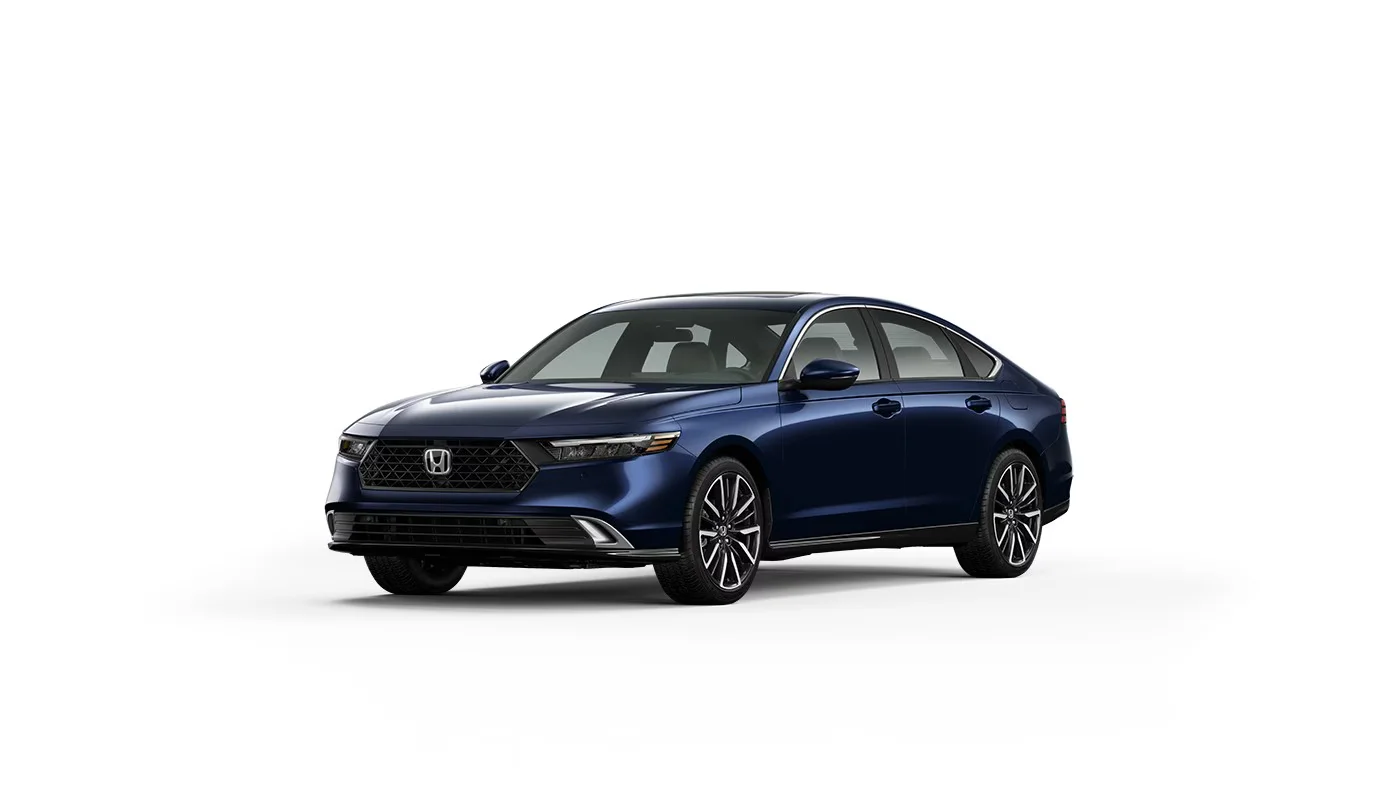
If you mention the model to almost any car enthusiast, you’ll likely hear nicknames such as Baby Boy, End of Discussion, or Evil Spirit.
Beyond the popularity, the Honda Accord offers a more engaging performance without compromising everyday practicality, which many midsize sedans struggle to have. Compared to the Toyota Camry, the Accord feels more responsive behind the wheel. At the same time, it remains spacious enough for family use and comfortable enough for daily commuting.
Most imported models pair a 2.4L engine with a 5-speed or 6-speed automatic transmission, depending on the year. It’s not as fuel-efficient as the Corolla, but drivers consistently pick the Accord over similarly priced alternatives.
Toyota RAV4
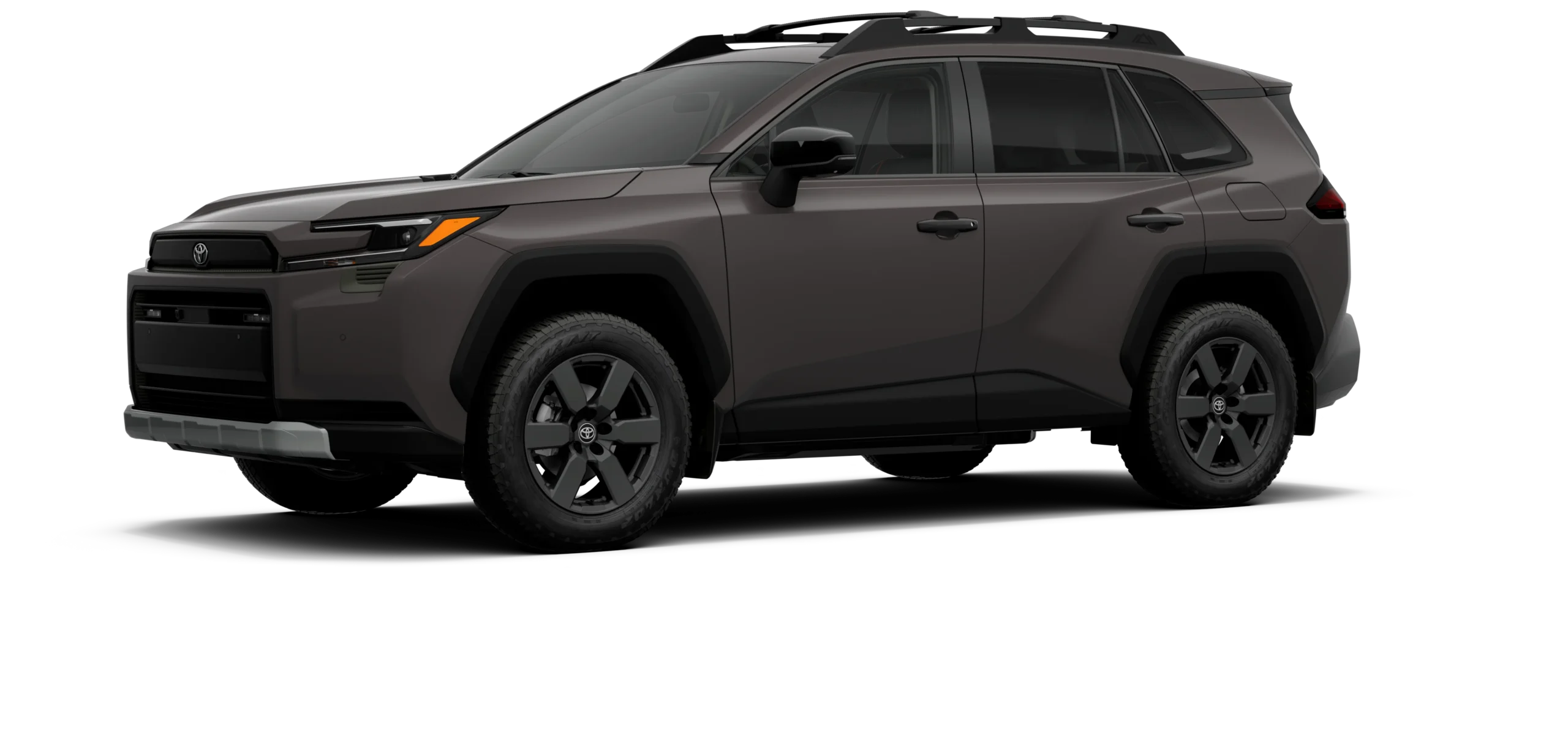
This is one of the most sought-after vehicles among Nigerian buyers. The vehicle makes rough roads, deep potholes, and speed bumps less of a concern.
Its engine option ranges from a 2.0L to 2.5L petrol engine. Most models feature conventional automatic transmissions that have earned an excellent reputation for reliability.
Some imported variants are equipped with all-wheel drive, offering additional traction during heavy rains or on bad roads.
Despite being an SUV, its fuel consumption is modest. Oil leaks and suspension wear are common issues to look out for on older units.
Lexus RX 350
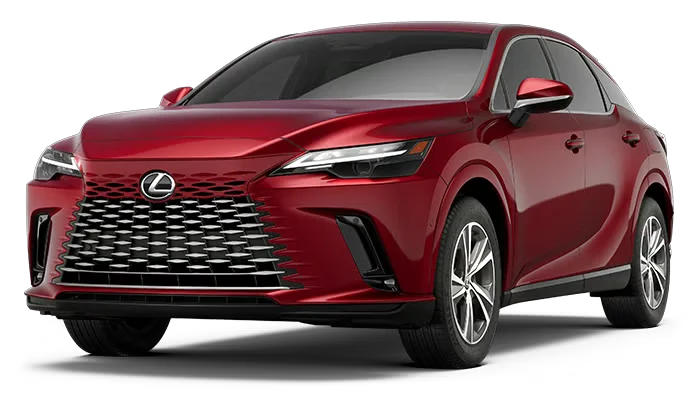
The RX 350 is one of the vehicles with strong demand in the Nigerian Tokunbo market. Models imported from the United States continue to attract buyers because they combine premium features with a reputation for long-term durability.
Power delivery is smooth and effortless, making highway overtaking and long-distance travel feel relaxed.
Fuel efficiency isn’t the RX 350’s strongest selling point, but it’s reasonable for a luxury SUV with a V6 engine. One of the biggest reasons the RX 350 performs well in Nigeria is the availability of parts. Although maintenance costs are higher, genuine and aftermarket components are generally easier to source.
Hyundai Elantra
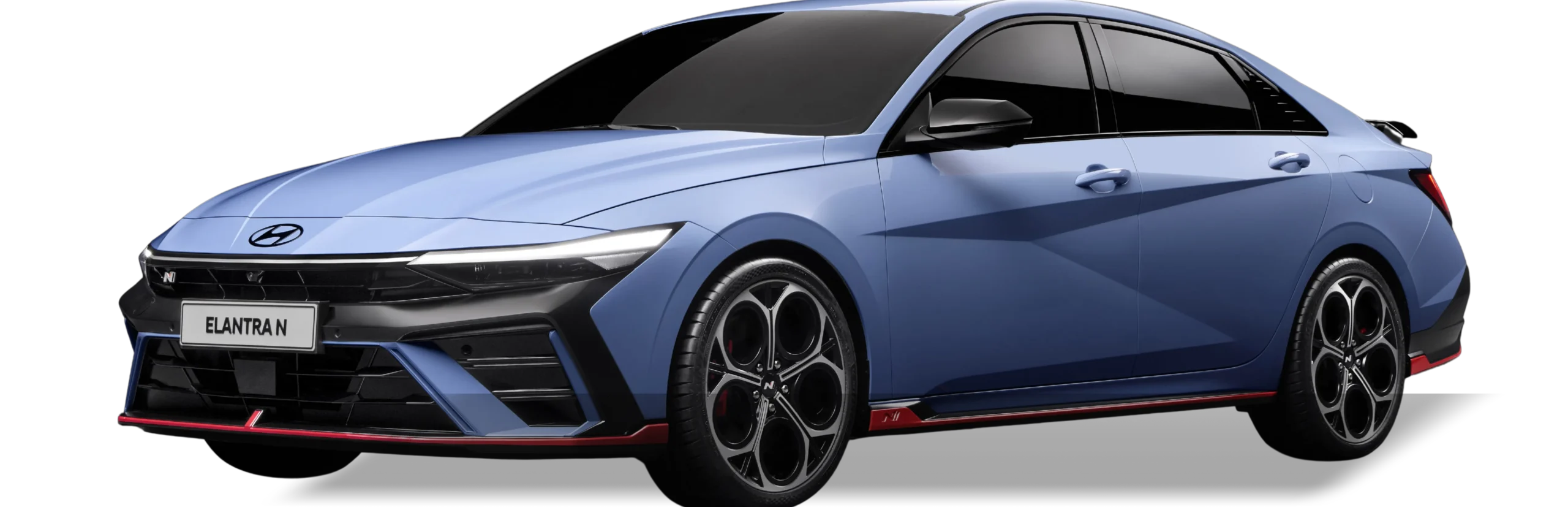
This is the ultimate starter car in Nigeria. The engines deliver enough power for daily commuting and highway driving while maintaining good efficiency. One of the Elantra’s biggest strengths is its fuel efficiency. It performs well in both traffic and on longer journeys, helping keep running costs under control.
Spare parts may not be as widespread as those for a Corolla, but they’re considerably easier to find than they were a few years ago.
Which Car Should You Choose?
There isn’t a single vehicle that’s perfect for every driver. The best car for the Nigerian market depends on how you intend to use it, your budget, and what you care about the most over the years you’ll own it.
If you’re still deciding, these recommendations can help narrow your options.
- For a reliable first car, go with the Hyundai Elantra or Toyota Corolla.
- If resale value is your priority, stick with the Corolla, Camry or RAV4.
- For a comfortable family sedan, the Camry and Accord both deliver.
- To keep running costs down, the Corolla and Elantra are your best bets.
- For premium comfort, the Lexus is in a class of its own here.
- For a practical SUV that handles bad roads well, the RAV4 wins this one easily.
What to Check Before Buying a Car
The condition of the vehicle will have a much bigger impact on your ownership experience more than the model you choose. Before buying, take time to:
- Verify the VIN and vehicle history.
- Check for accident or flood damage.
- Review the service history.
- Test the engine, transmission, suspension, and air conditioning.
The best cars for the Nigerian market are ultimately the ones that meet your needs and remain dependable for years to come. If you’re buying from outside Nigeria, such as the US, there’s more to the process than finding the right car. You’ll also need to know how to import it into Nigeria and how to pay auction platforms safely.
To help with that, we’ve answered some of the most common questions buyers ask before making a purchase.
Frequently Asked Questions
How do I pay an overseas car dealer or auto auction from Nigeria?
The easiest way to pay an overseas car dealer or auto auction from Nigeria is to send a USD wire transfer directly from your Naira balance using Clea. You don’t need a domiciliary account or a visit to the bank, making it a faster and more convenient way to pay international sellers.
Which car is the cheapest to maintain in Nigeria?
The Toyota Corolla is one of the most affordable cars to maintain.
Is it better to buy a Nigerian-used or foreign-used car?
Both have their advantages. Nigerian-used cars are often available immediately and may cost less upfront, while foreign-used vehicles generally have a more detailed maintenance history. Regardless of the option you choose, always inspect the vehicle thoroughly before making a purchase.
Is importing a car from the USA cheaper than buying locally?
It can be, especially if you find a good deal at a vehicle auction. However, the total cost goes beyond the winning bid. Shipping, import duties, auction fees, and local clearing charges should all be factored into your budget before making a purchase.
Where can I buy foreign-used cars?
Mainly through auto auction platforms like Copart, IAA, Manheim, Adesa, or through licensed dealers and shipping agents who source directly from these auctions on your behalf.